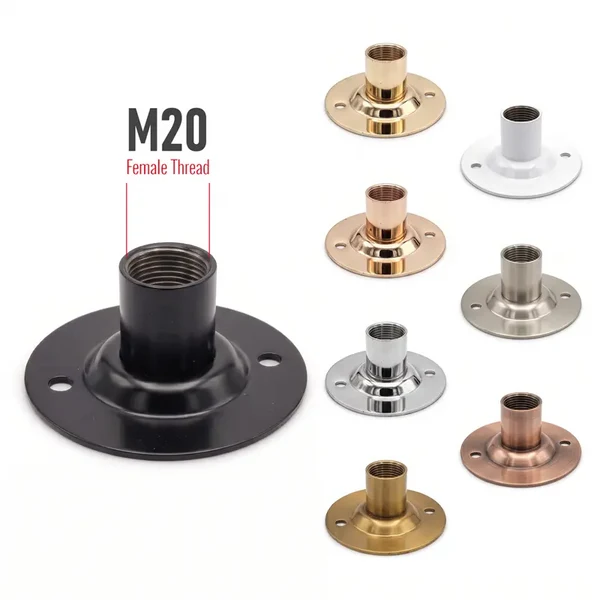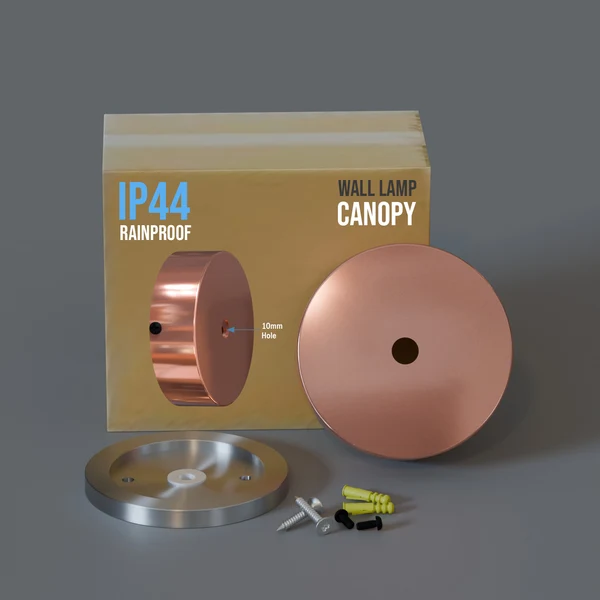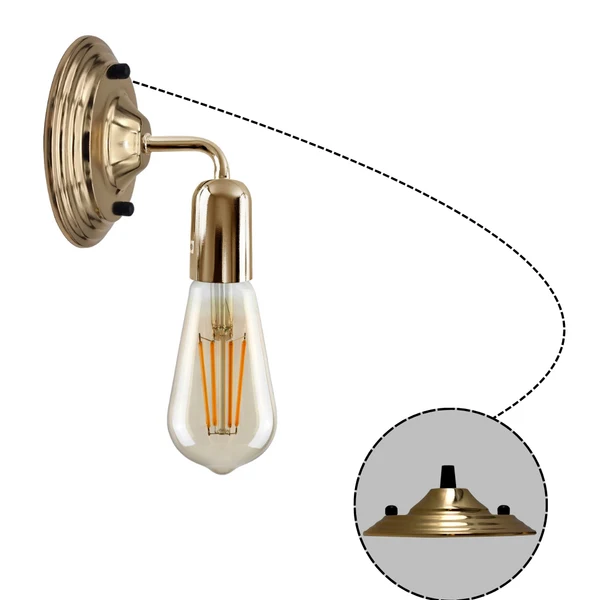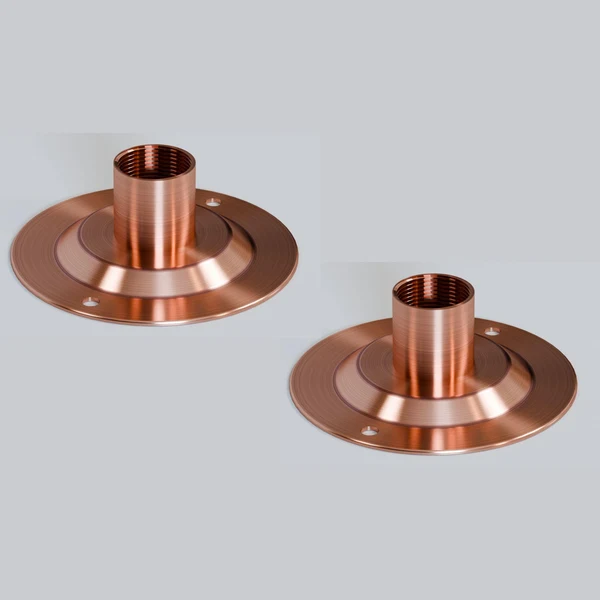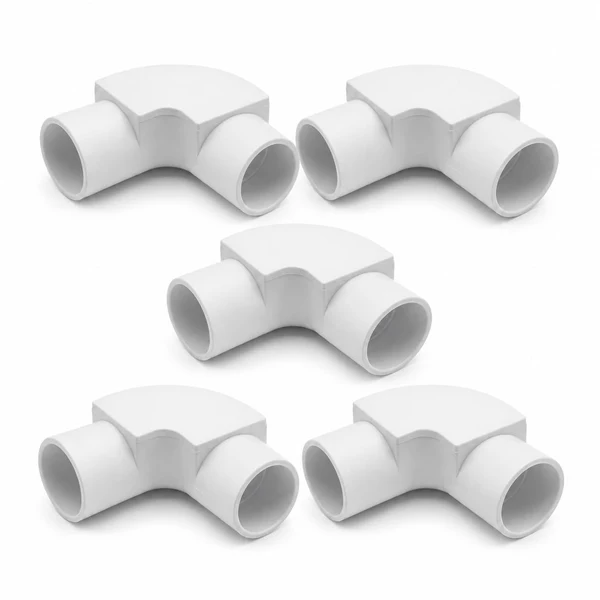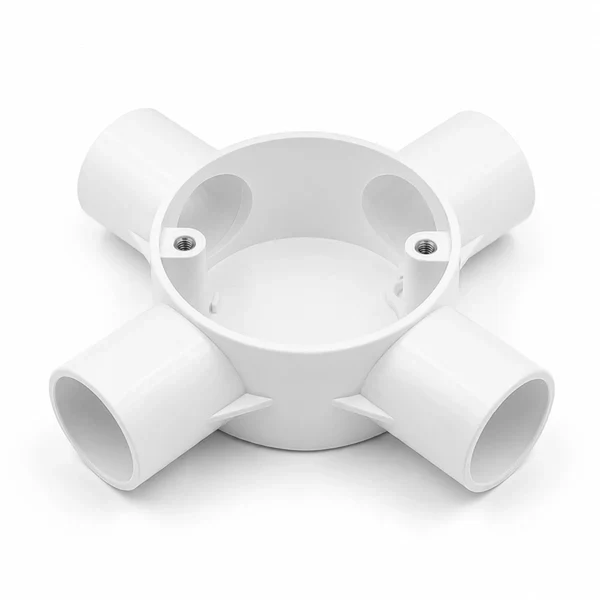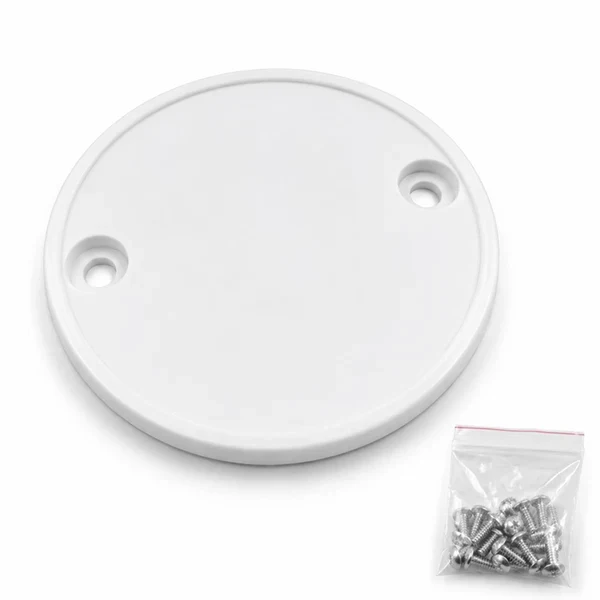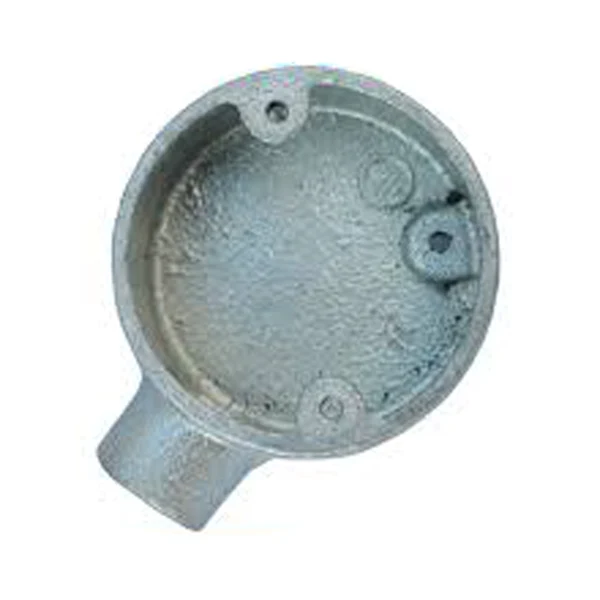
Thinking about electrical conduit fittings? A few details make the difference between a good fit and a near miss. If you can, compare it with something similar you already own to judge size and weight.
For a broader choice, step back to the wider family: Cable Glands.
Compare makers on the same details: LEDSone.
Check joins, seams, edges or fastenings for neat, even work.
Pay attention to the parts you touch every time, such as handles, edges or fastenings.
Think about storage between uses and choose a shape that is easy to put away.
Frequently asked questions
What is the difference between splash-resistant and submersible waterproof electrical enclosures?
Weatherproof enclosures protect terminals against dust and powerful water jets on exposed walls, while submersible waterproof junction boxes seal cable splices against prolonged wet or damp ground conditions.
How should I size conduit elbows and trunking corner bends?
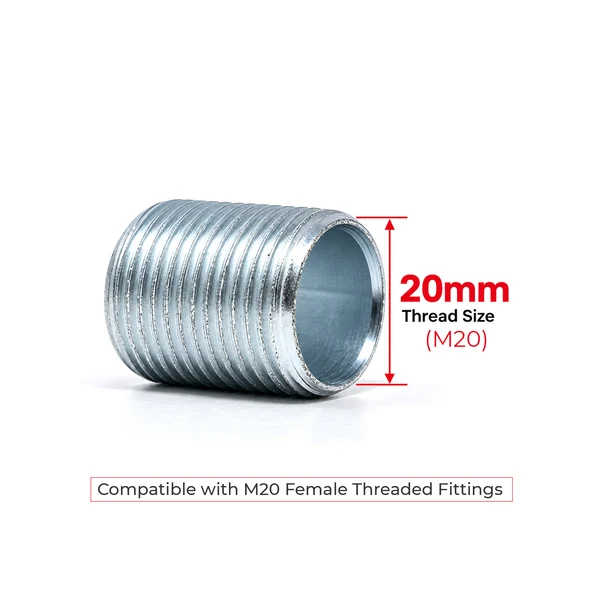
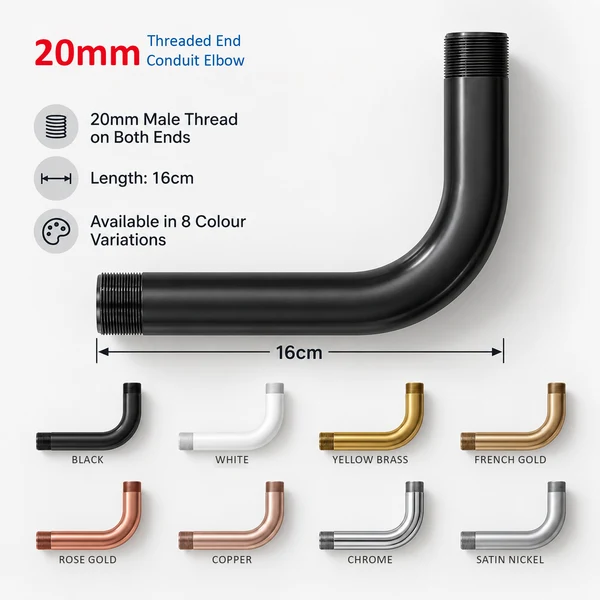
Select matching metric conduit threads and gentle-radius trunking elbows so insulated conductors pull through without scraping outer jackets.
Which material should I choose for electrical conduit fittings?
Choose the material of electrical conduit fittings for feel, weight and care: some materials need regular attention, others very little, so match it to the upkeep you are happy with.
What should I look for in the finish of electrical conduit fittings?
In electrical conduit fittings, look for an even, consistent finish without rough patches, and consider how readily the surface shows marks or wear.
Should I buy one or a set of electrical conduit fittings?
A matching set of electrical conduit fittings keeps everything consistent, while single items let you mix and replace one at a time.