
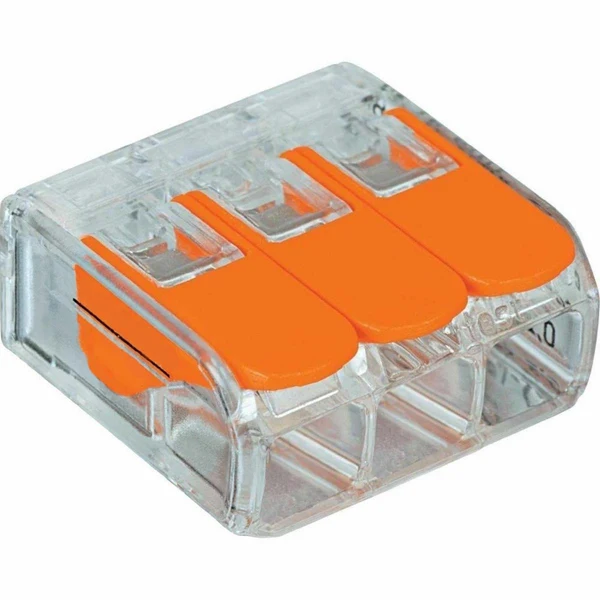
32 A 3-Way Push-Fit Spring Lever Wire Connectors 2028
£1.99 incl. VAT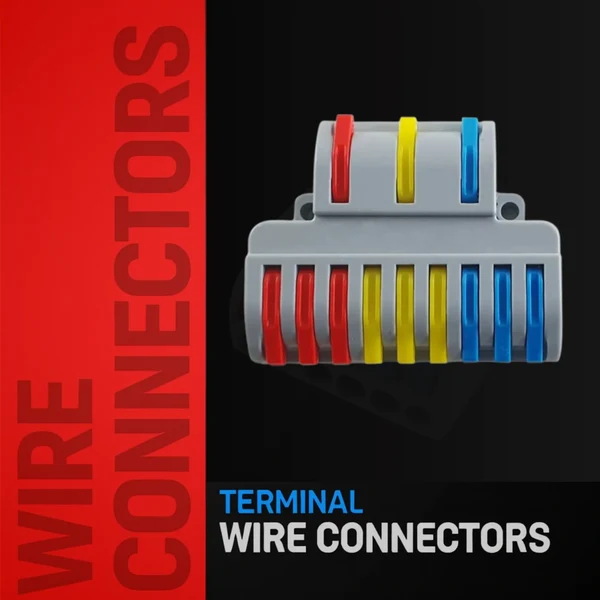
3 to 9 Out Wire Splitter Terminal Block
£2.99 incl. VAT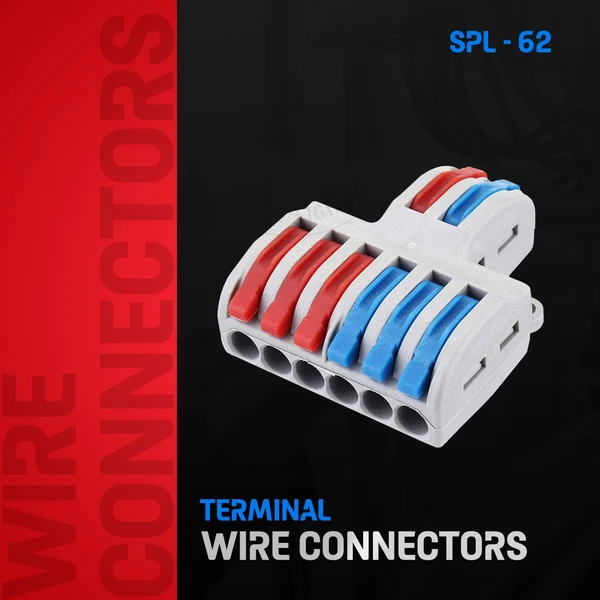
2 to 6 Out Wire Splitter Terminal Block LT-Connector
£1.99 incl. VAT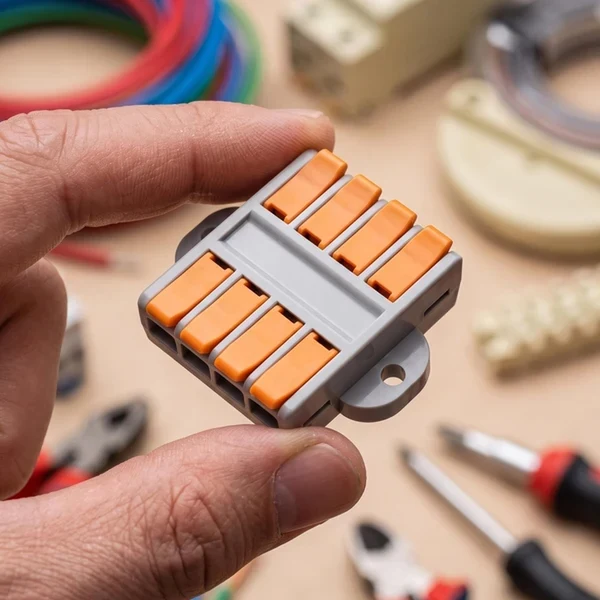
Tool-Free Reusable Lever Wire Connector
From £1.99 incl. VAT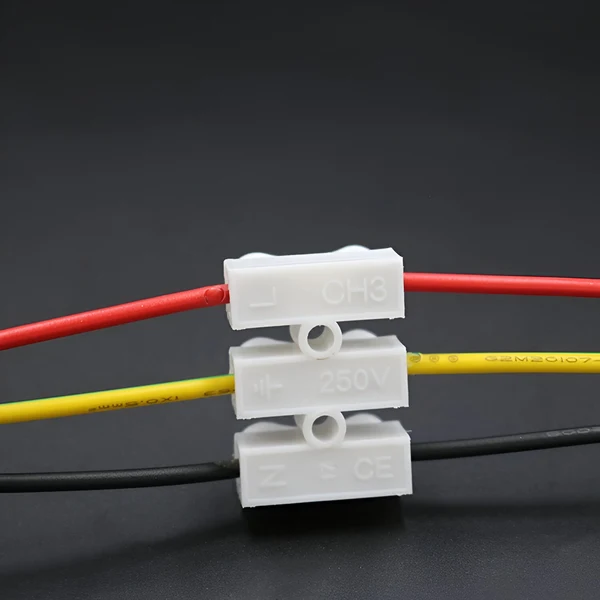
Self-Locking Quick Splice Wire Connectors, 250 V
From £2.99 incl. VAT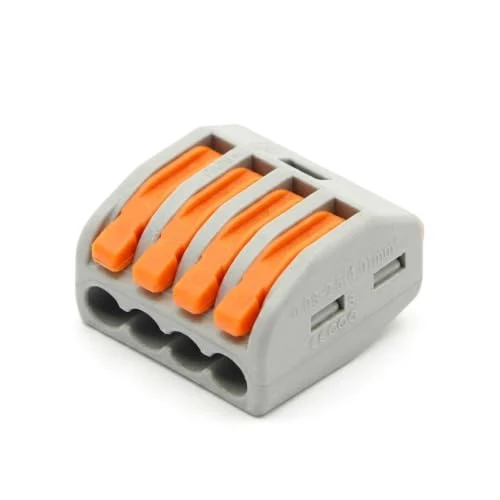
Wire Connector Terminal Block ~6907
£1.99 incl. VAT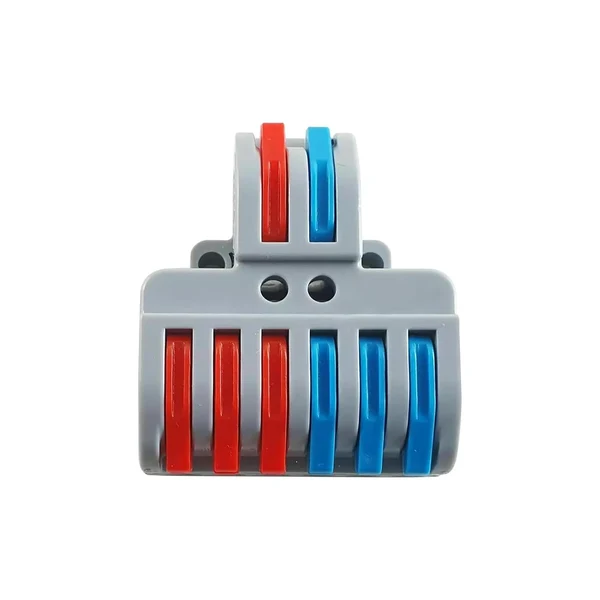
8-Way Lever Nut Wire Connector, 22 A Terminal Block
From £10.99 incl. VAT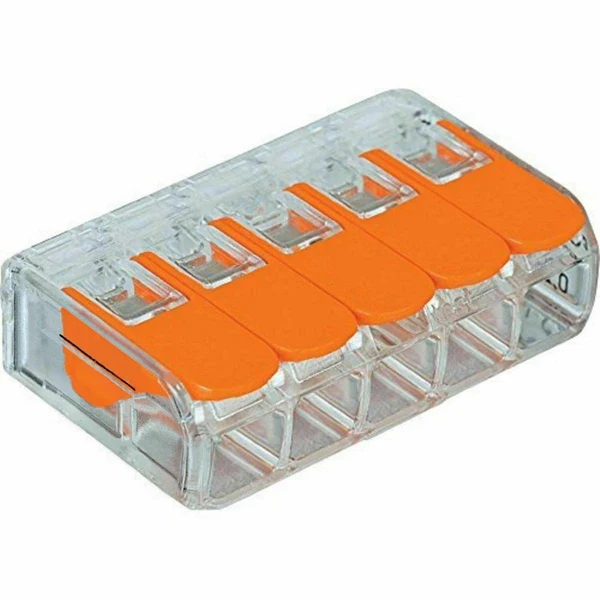
32 A Spring Lever Push Fit Electrical Connectors
From £6.99 incl. VAT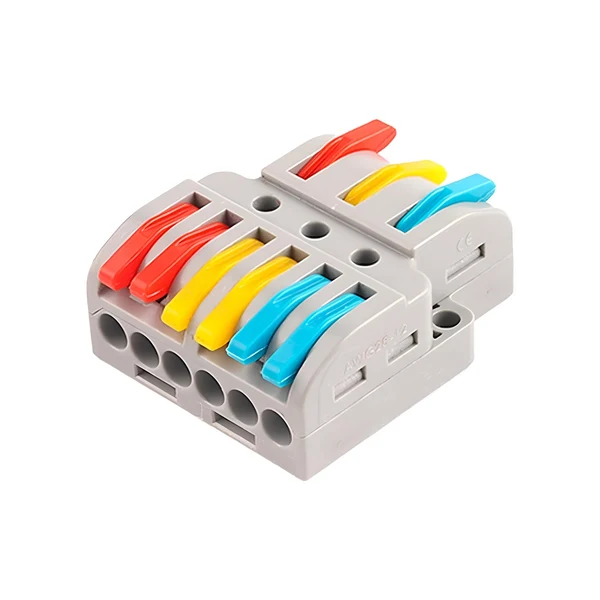
3-Port Lever-Nut Compact Wire Connectors ~6401
From £9.99 incl. VAT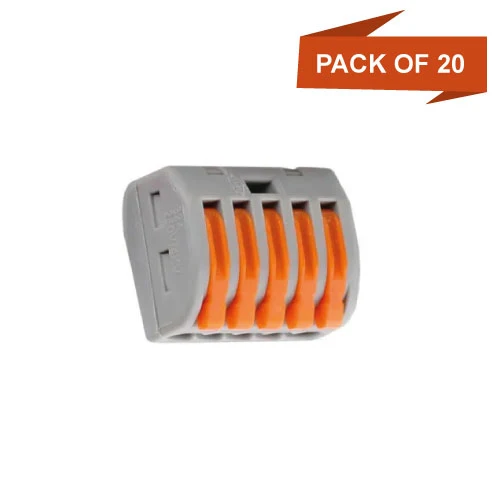
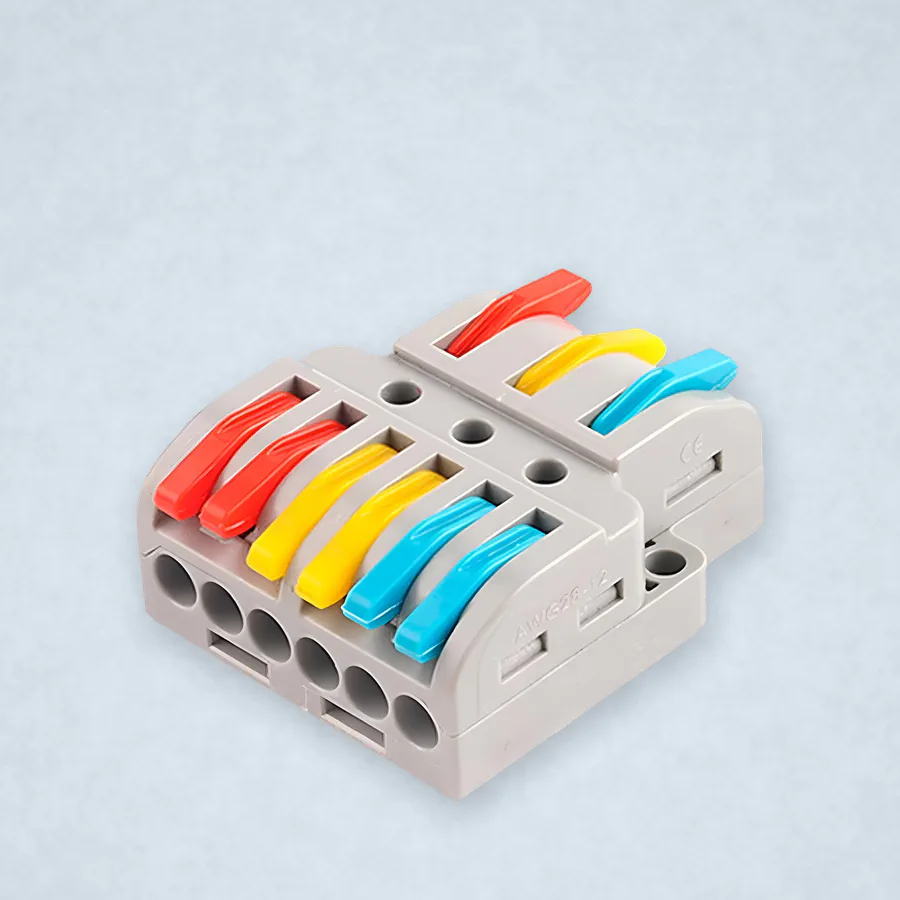
5-Way Spring Lever Terminal Block Connector, 0.75 mm Wire
From £6.99 incl. VATWhich type are you after?
Pick a brand
How to choose
- Ingress protection rating: Compare enclosure IP ratings against moisture, dust and jet-wash exposure in plant rooms, gardens or coastal installations.
- Conductor cross-section and ampacity: Verify that DIN rail terminal blocks and lever connectors match both the wire gauge and circuit current rating.
- Check how it is put together: clean joins and neat finishing are good signs of careful making.
- For a first purchase, a versatile all-round type is the easiest place to start.
Frequently asked questions
How should spare terminal blocks, heat shrink tubing and cable ties be stored?
Keep nylon ties and heat shrink in sealed dry bags away from direct sunlight and radiators so polymers stay supple until installation.
When should I use lever nut wire connectors instead of traditional screw terminal blocks?
Lever connectors speed up tool-free maintenance on solid or stranded conductors inside junction boxes, whereas DIN rail screw blocks organise multi-circuit control cabinets.
What signs of good making should I look for in din rail terminal blocks?
Look for clean joins, even finishing and edges or seams that feel smooth; in din rail terminal blocks, small details like these say a lot about how carefully something was put together.
How do I look after din rail terminal blocks?
Care for din rail terminal blocks depends on the material, so follow the care notes for each item; in general, regular light cleaning and dry storage keep things in good shape.