
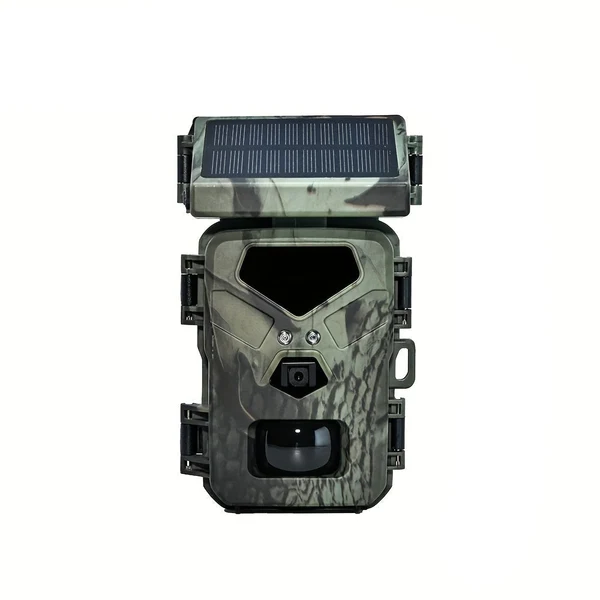
Solar Infrared Wildlife Security Camera, 20MP
£207.99 incl. VAT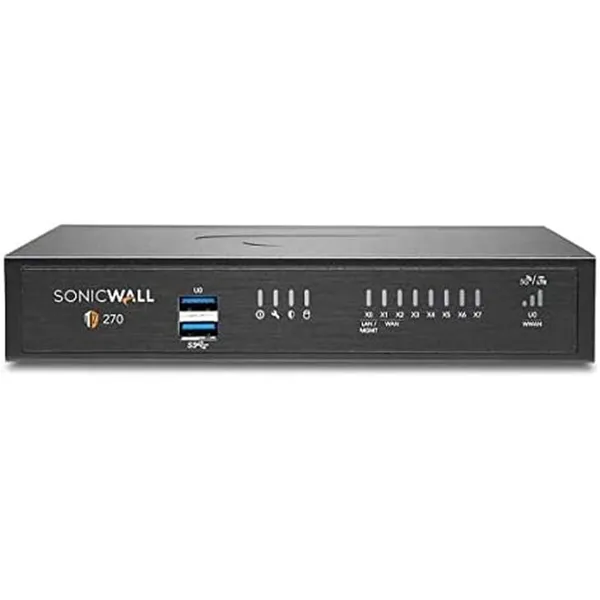
Router with RJ45 and USB-A 3.2 Ports
£752.99 incl. VAT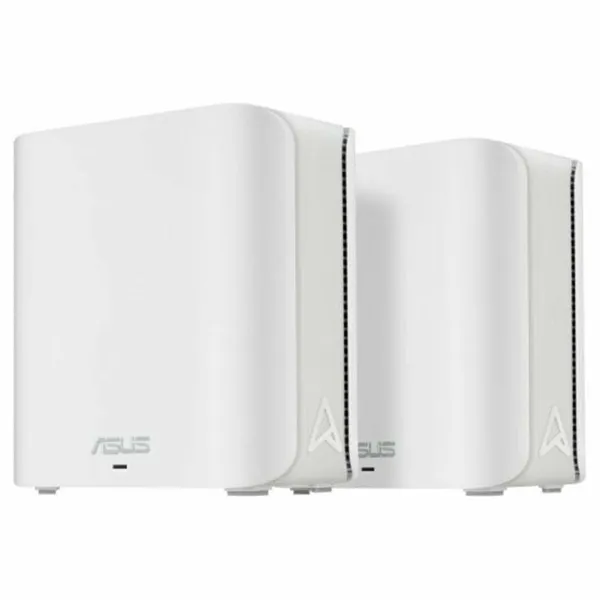
Router
£371.99 incl. VAT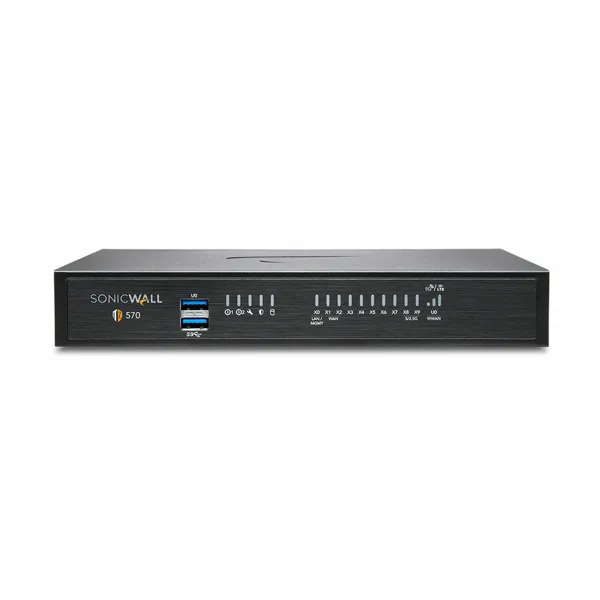
03- Router
£8,227.99 incl. VAT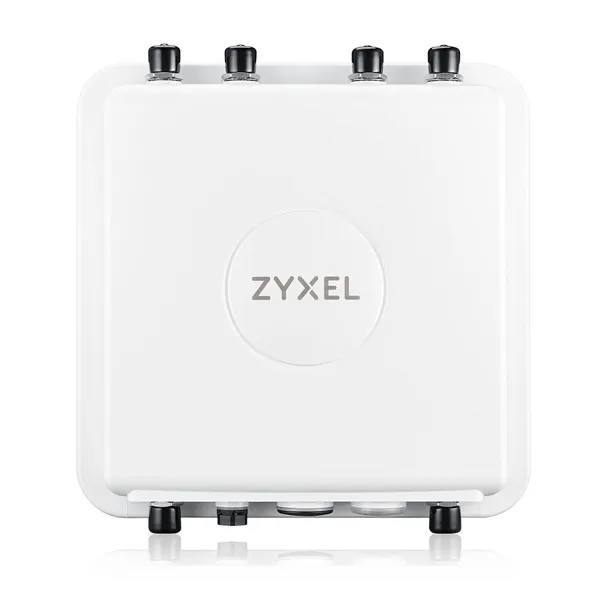
Router
£1,705.99 incl. VAT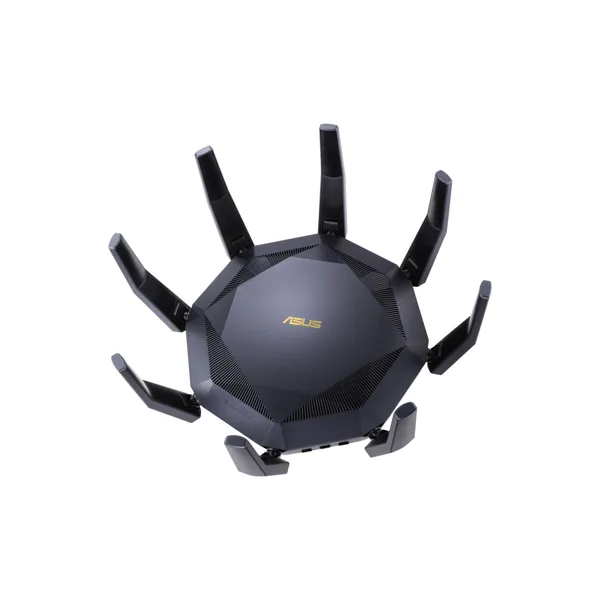
RT-AX89X Router
£616.99 incl. VATPick a brand
How to choose
- Cable gland thread and clamping range: Match metric gland threads and rubber seal diameters tightly to the outer cable sheath so moisture cannot wick inside.
- Match colour and finish to what you already own so anything new fits in.
- Let what you already own guide material and colour, so new and old sit well together.
Frequently asked questions
How do I choose the right size of network hardware?
Measure the space, or something similar you already own, and compare that with the stated dimensions of network hardware rather than with size names, which vary between makers.
Should I choose network hardware for looks or for function?
With network hardware, function comes first because it decides the type and size; within those limits, let your own taste decide the look.
Can network hardware handle everyday use?
Whether network hardware can handle daily use depends on material and construction; for frequent use, look for sturdy builds and finishes that are easy to care for.
What signs of good making should I look for in network hardware?
Look for clean joins, even finishing and edges or seams that feel smooth; in network hardware, small details like these say a lot about how carefully something was put together.
Where should I look if network hardware might not fit my needs?
If network hardware might not be the right fit, the related kinds are worth comparing on the same points: Cable Protection Sleeving, Electrical Switches, Solar Power Cables, Inspection Access Panels and Workstation Desks.