
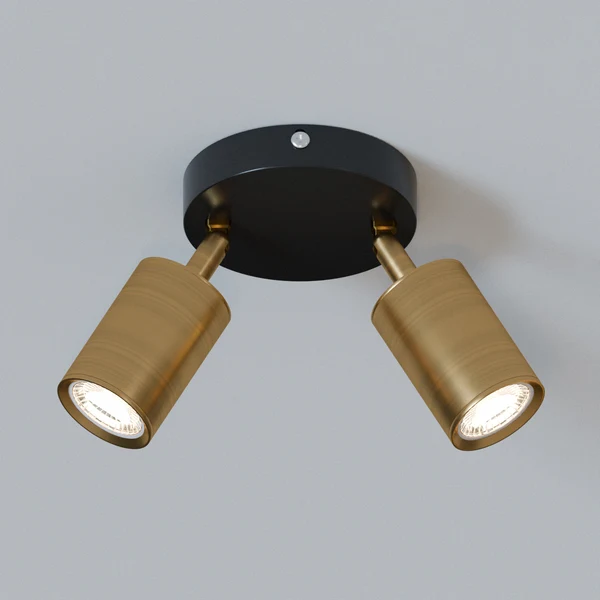
Dual-Head Adjustable GU10 Ceiling Spotlight
£52.99 incl. VAT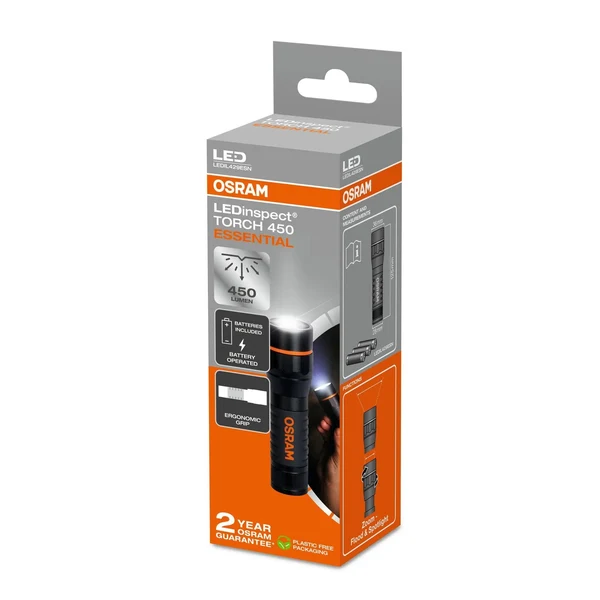
LEDinspect TORCH 450 ESSENTIAL Flashlight
£53.99 incl. VAT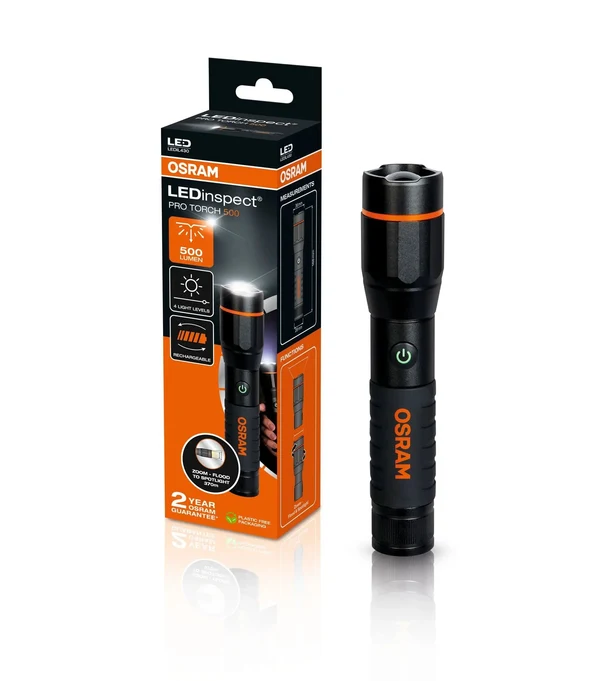
LEDinspect PRO TORCH 500
£71.99 incl. VAT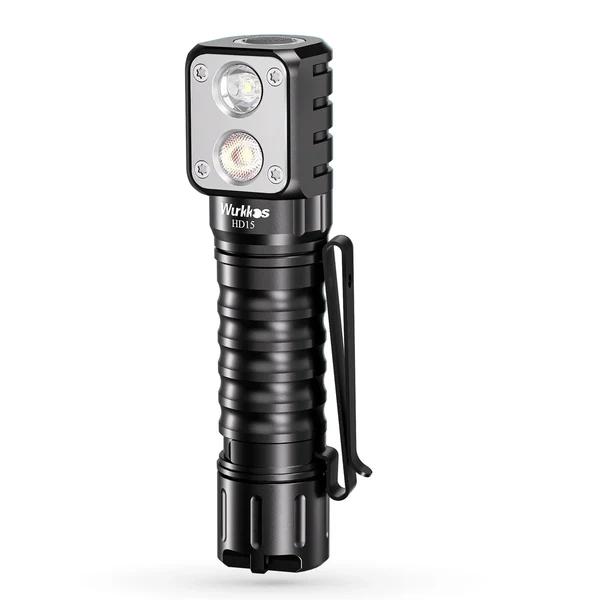
HD15 2000 Lumens Dual-Beam Right-Angle Flashlight
£72.99 incl. VAT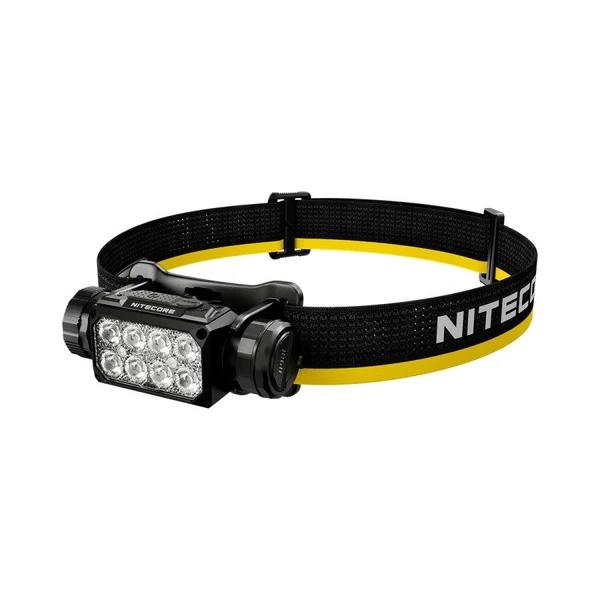
HC65 MCT 2000-Lumen Rechargeable Headlamp
£186.99 incl. VAT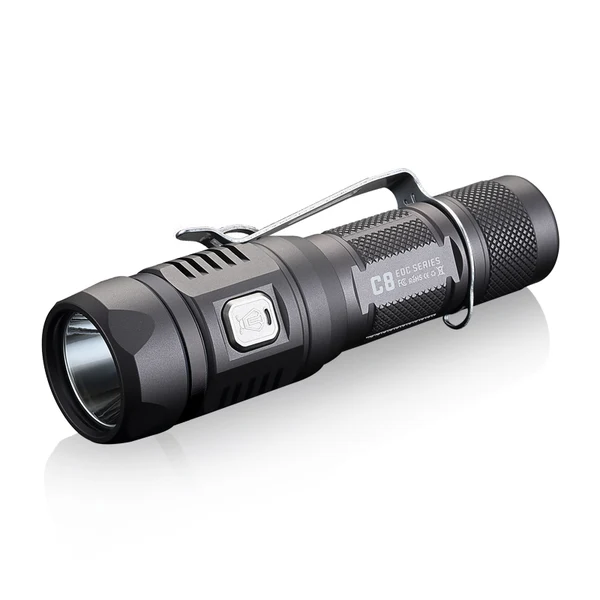
C8 PRO Outdoor Flashlight
£121.99 incl. VAT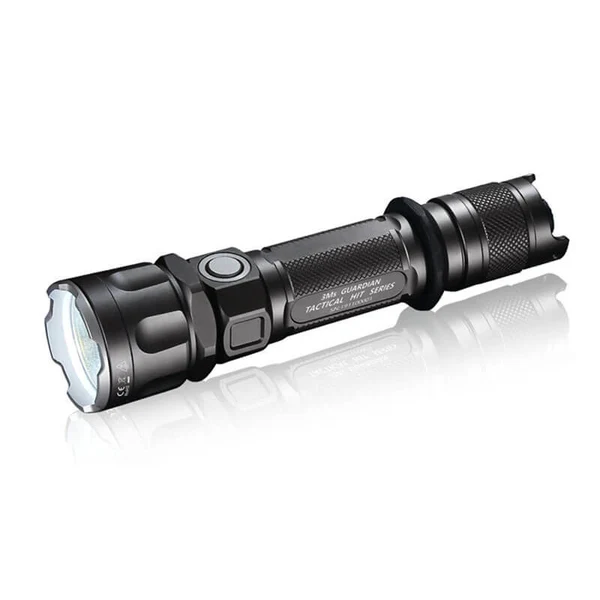
3MS Guardian Tactical Flashlight, 2000 Lumens
£169.99 incl. VAT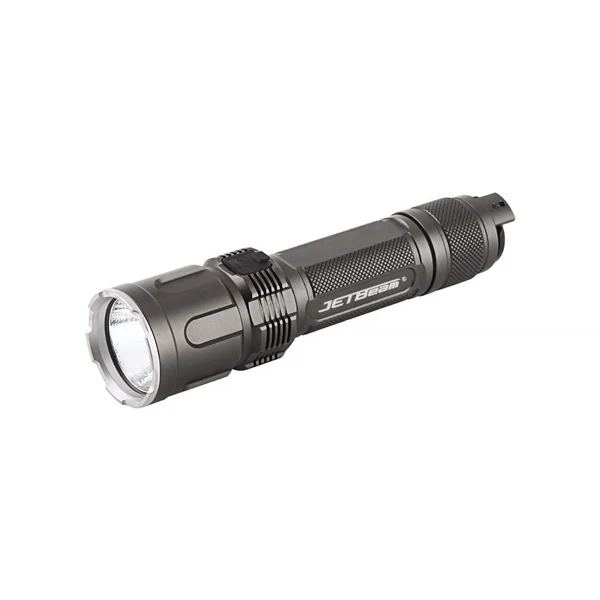
TH20 GUARDIAN Tactical Flashlight
£243.99 incl. VAT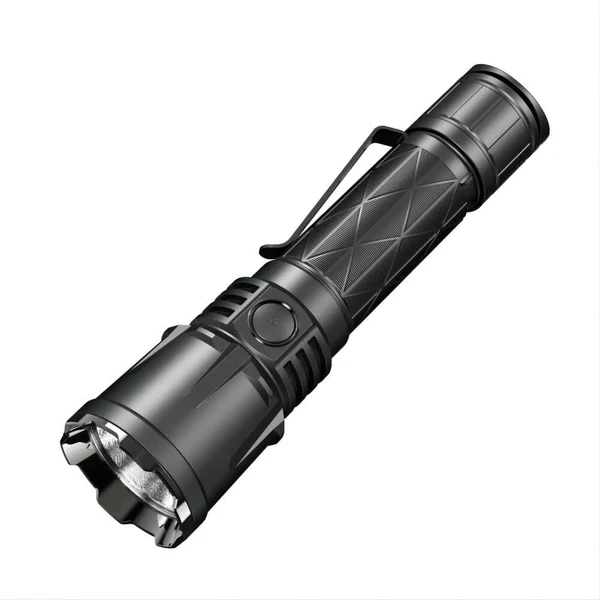
XT21X PRO Tactical Flashlight
£294.99 incl. VAT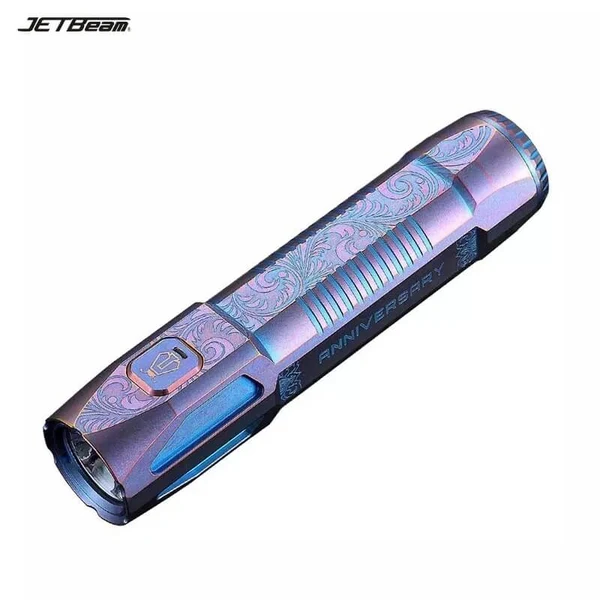
Jet ST Limited Edition LED Flashlight, 800 Lumens
£397.99 incl. VAT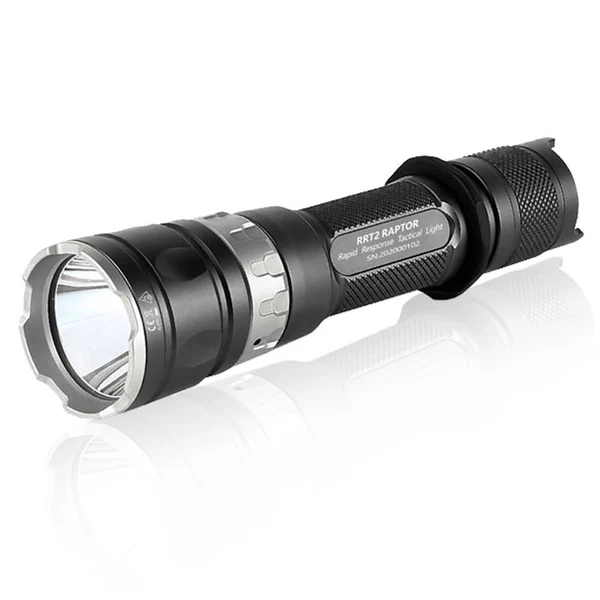
RRT2 Raptor Tactical Flashlight
£180.99 incl. VAT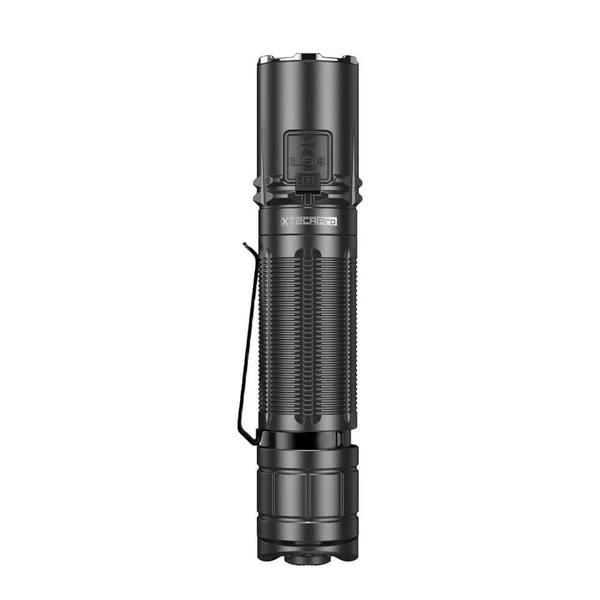
XT2CR PRO 2025 2300 lm Rechargeable Tactical Flashlight
£141.99 incl. VAT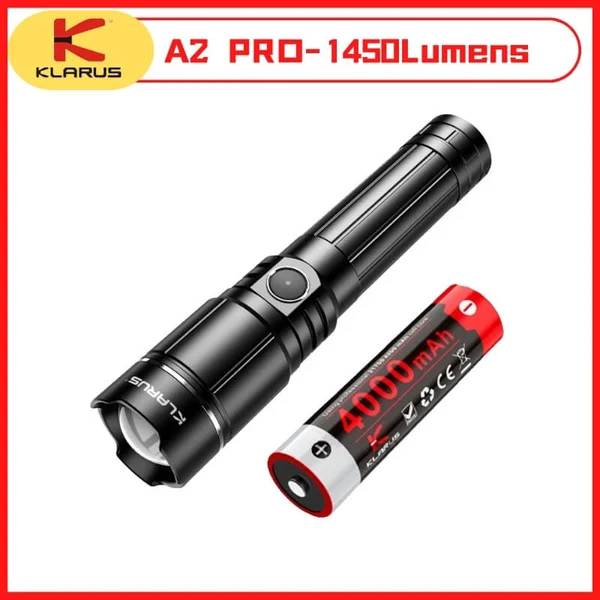
A2 PRO Zoomable Flashlight
£106.99 incl. VAT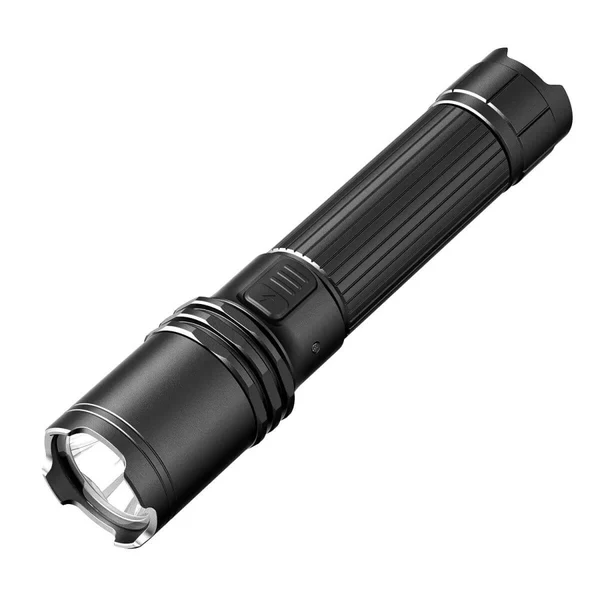
A1 Pro Rechargeable Flashlight, 1300 Lumens, 18650 Battery
£74.99 incl. VAT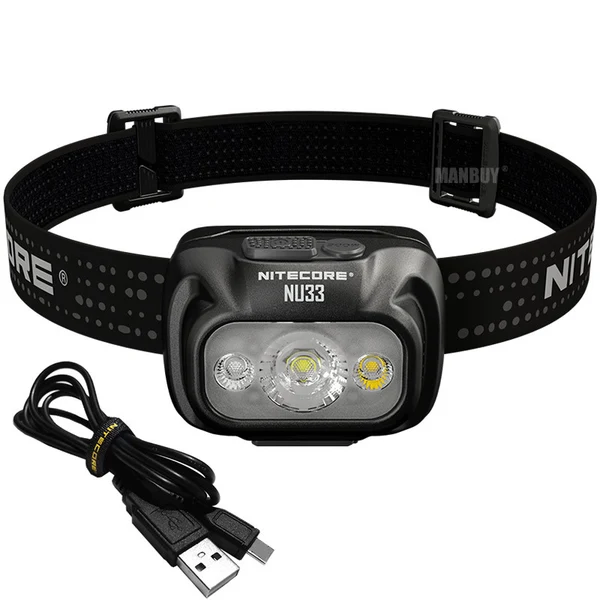
NU33 700-Lumen Rechargeable Headlamp
£94.99 incl. VAT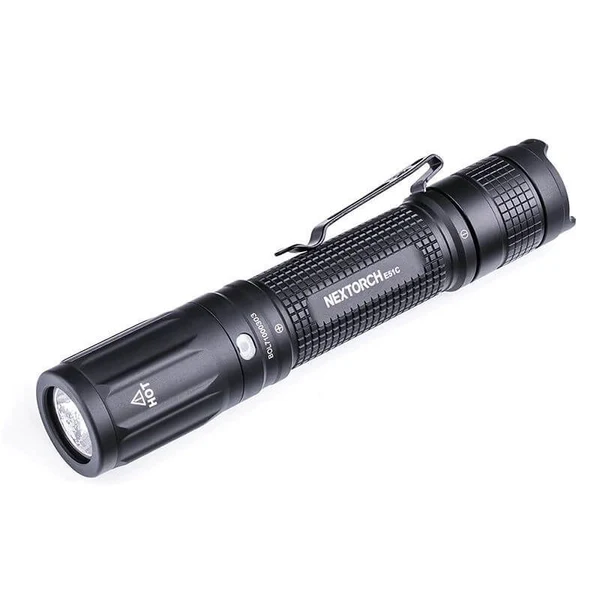
E51C Rechargeable Pocket Flashlight, 1600 Lumens
£112.99 incl. VAT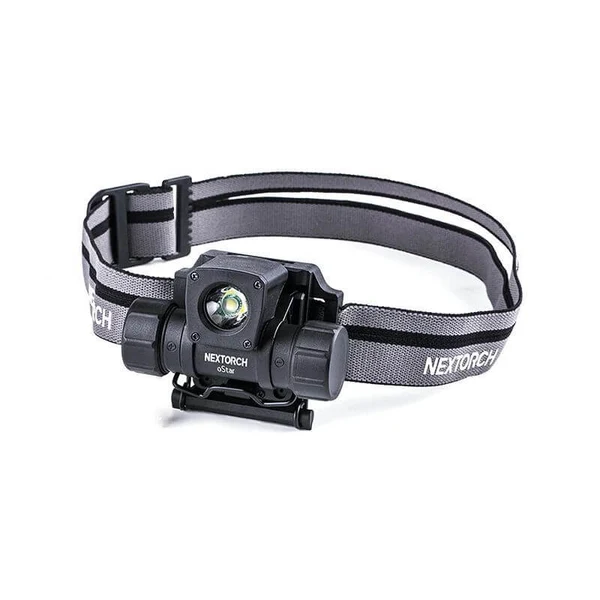
oStar Multi-Function Headlamp
£112.99 incl. VAT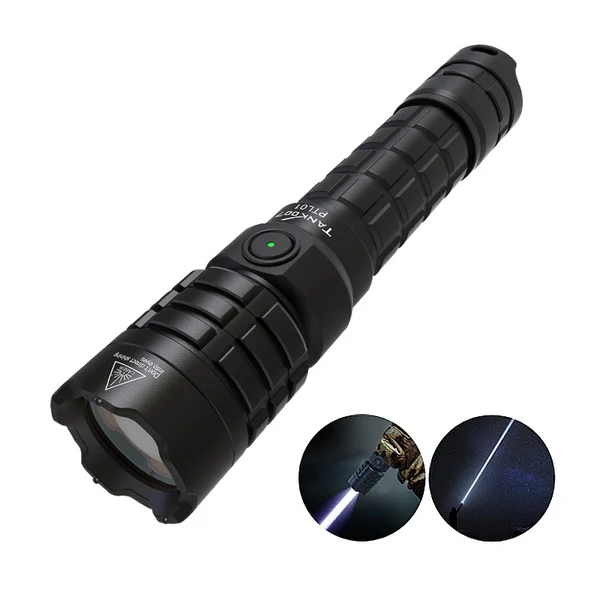
PTL01 White Laser Tactical Flashlight
£672.99 incl. VAT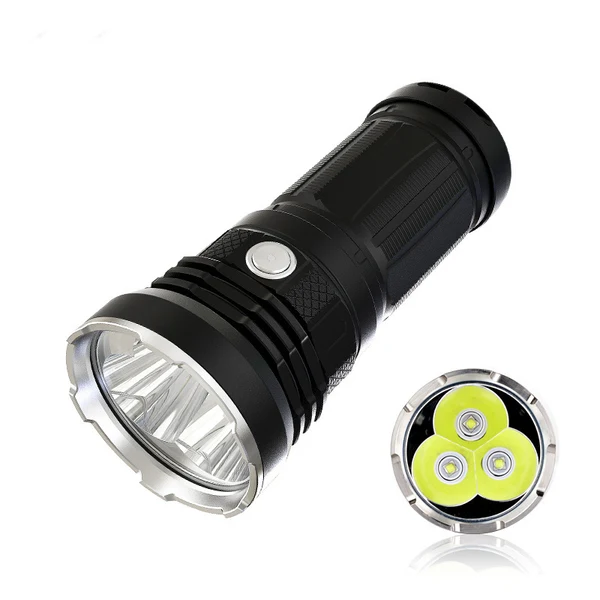
KC11 Outdoor LED Flashlight, 6400 Lumens
£261.99 incl. VAT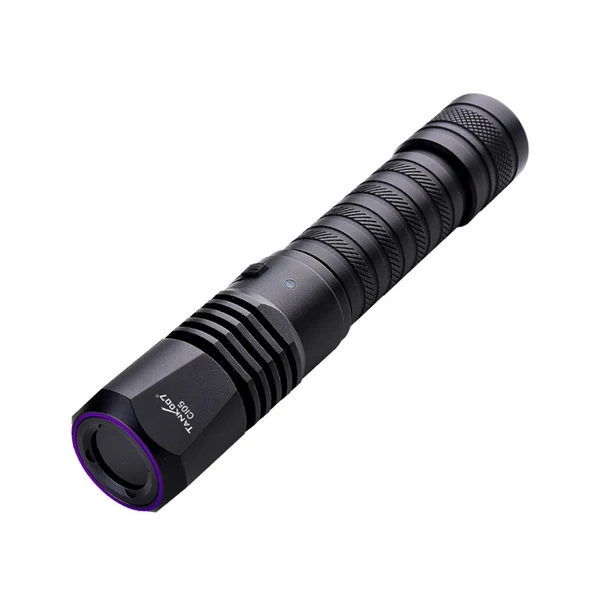
CI05 365 nm UV LED Flashlight
£265.99 incl. VAT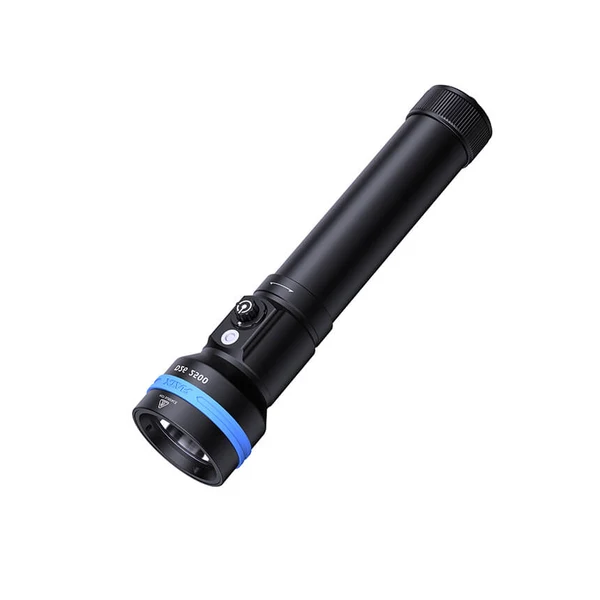
D26 2500 Diving Flashlight, Long or Short Body
£279.99 incl. VAT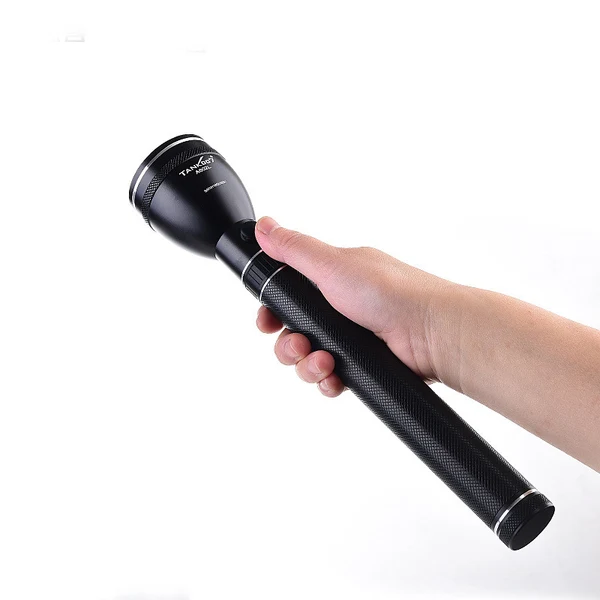
LED Flashlight, 350 Lumens
£66.99 incl. VAT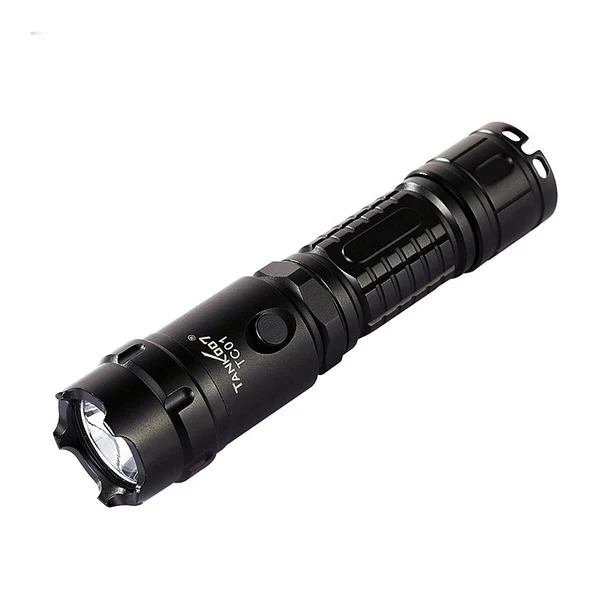
TC01 Flashlight, 800 Lumens
£112.99 incl. VAT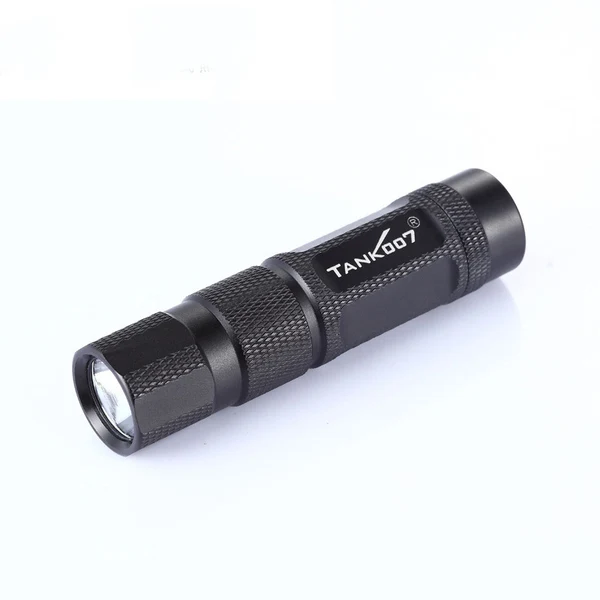
M20 Pocket EDC Magnetic Flashlight, 160 Lumens
£41.99 incl. VATShop the edits
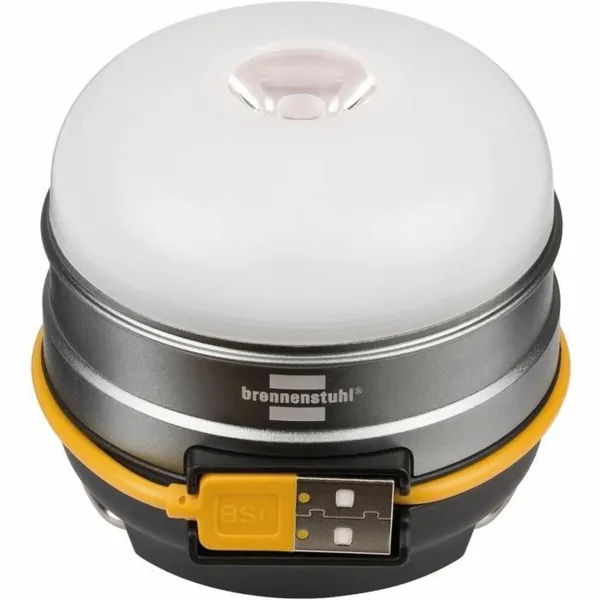
OLI 0300 A LED Spotlight, 350 lm
£67.99 incl. VAT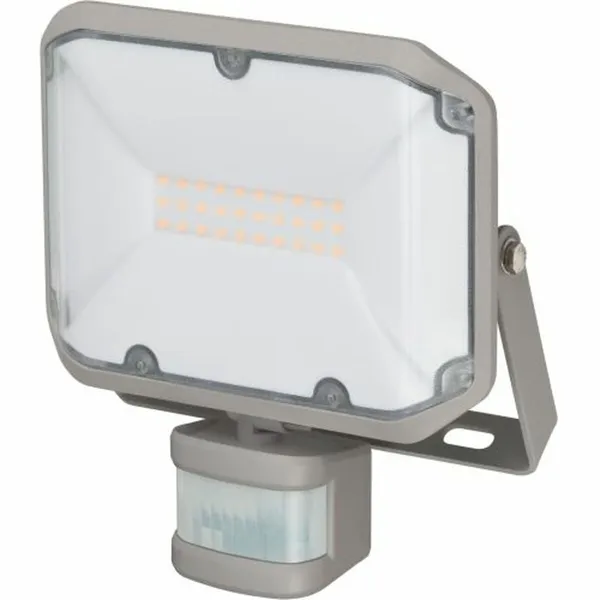
AL E 20 W LED Spotlight with Motion Sensor
£83.99 incl. VAT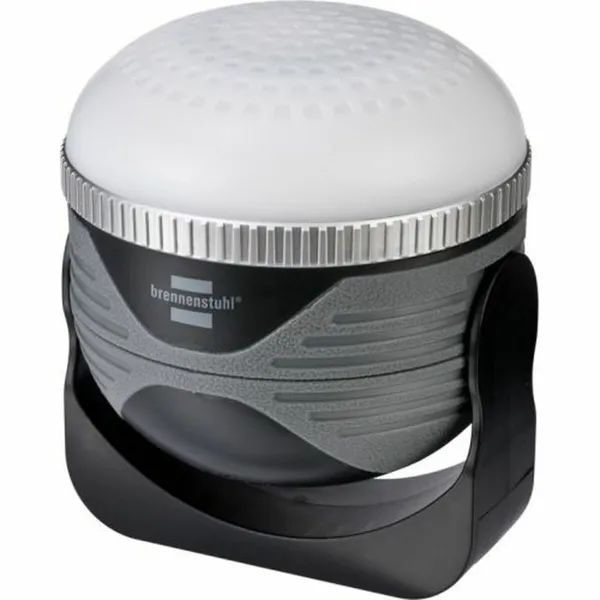
OLI 310 AB LED Spotlight, 350 lm
£80.99 incl. VAT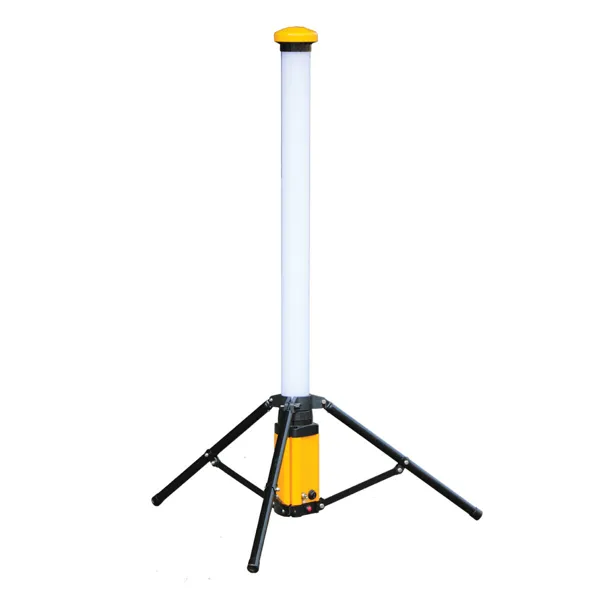
LED Spotlight 54 W with Tripod and 360º Focus
£431.99 incl. VAT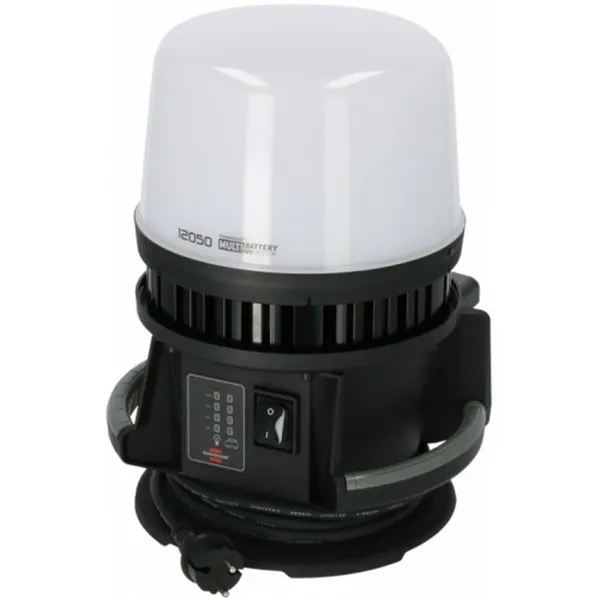
1173700003 LED Spotlight 100 W
£460.99 incl. VAT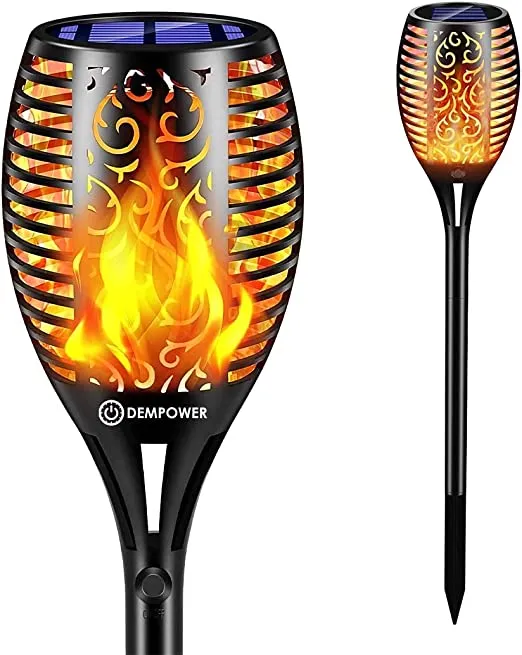
33 LED Solar Flicker Flame Torch, 1-Piece
£8.99 incl. VAT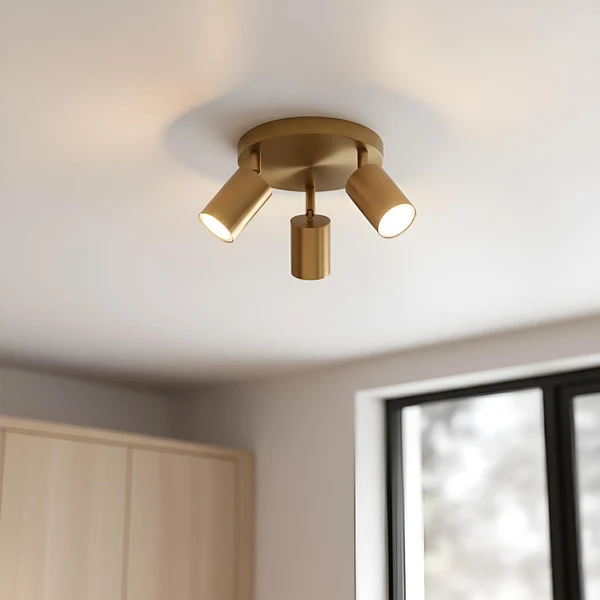
GU10 3-Light Ceiling Spotlight
£35.99 incl. VAT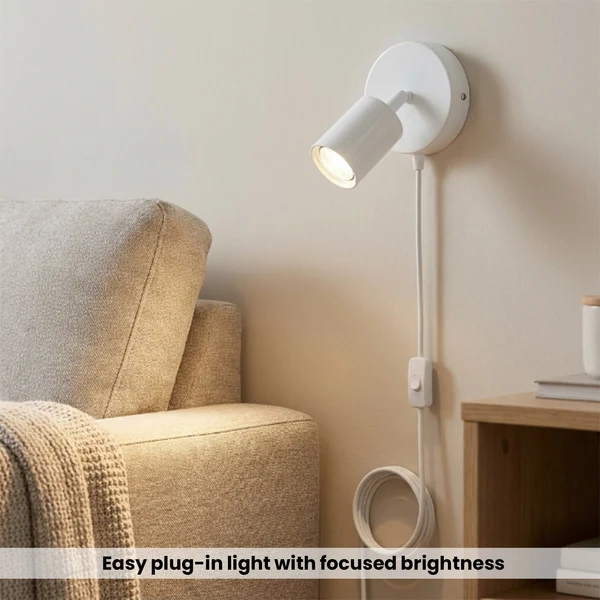
Plug-In GU10 Wall Light, Adjustable Spotlight with Switch
£29.99 incl. VATPick a brand
How to choose
- Ingress protection rating: Compare enclosure IP ratings against moisture, dust and jet-wash exposure in plant rooms, gardens or coastal installations.
- Enclosure material and corrosion resistance: Stainless steel cabinets resist washdowns and impacts, while UV-stabilised polymers keep outdoor cable splitters lightweight and non-conductive.
- Look closely at small details such as edges, seams, joins or fastenings; they show how carefully something is made.
- If you are replacing something, list what worked and what did not, and use that as your brief.
Frequently asked questions
Where should flush inspection access panels be installed?
Fit service doors wherever concealed junctions, isolation switches or riser manifolds require periodic inspection under UK wiring regulations.
How do I inspect outdoor junction boxes and glands over time?
Isolate the circuit first, then check lid gaskets, gland locknuts and stainless fasteners periodically for cracking, condensation or loose strain relief.
Which materials are used for inspection work lights here?
Compare the materials of inspection work lights for weight, feel and care before you choose. Materials listed here: stonewash, raw, titanium alloy (black) & brass (black plated), titanium alloy (stonewash) & brass (black plated) and aluminium alloy.
Measurement guide
- Size (225 mm): Measure in a straight line from one outer end to the other.