
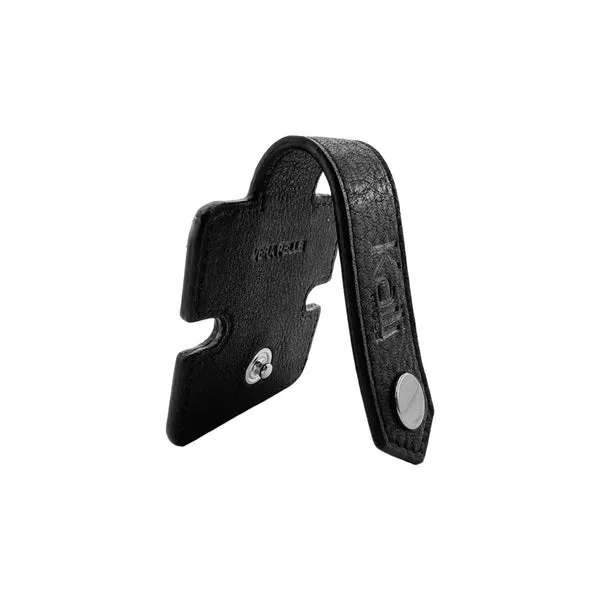
Full-Grain Leather Cable Reel, 6 x 6 x 1 cm
£18.99 incl. VATWhich type are you after?
Pick a brand
How to choose
- Ingress protection rating: Compare enclosure IP ratings against moisture, dust and jet-wash exposure in plant rooms, gardens or coastal installations.
- Cable gland thread and clamping range: Match metric gland threads and rubber seal diameters tightly to the outer cable sheath so moisture cannot wick inside.
- Conductor cross-section and ampacity: Verify that DIN rail terminal blocks and lever connectors match both the wire gauge and circuit current rating.
- Settle on one type before comparing material and finish: Heat Shrink Tubing and Braided Cable Sleeves.
- Decide on the job first, then the type: the right type narrows every other choice.
Frequently asked questions
How should spare terminal blocks, heat shrink tubing and cable ties be stored?
Keep nylon ties and heat shrink in sealed dry bags away from direct sunlight and radiators so polymers stay supple until installation.
How do I size a nylon drag chain for moving CNC or automation cables?
Measure the thickest cable or hose diameter, allow internal vertical clearance and match the chain bending radius to the manufacturer's minimum flex rating.
How do I choose the right size of cable protection sleeving?
Measure the space, or something similar you already own, and compare that with the stated dimensions of cable protection sleeving rather than with size names, which vary between makers.
How do I look after cable protection sleeving?
Care for cable protection sleeving depends on the material, so follow the care notes for each item; in general, regular light cleaning and dry storage keep things in good shape.
Where should I look if cable protection sleeving might not fit my needs?
If cable protection sleeving might not be the right fit, the related kinds are worth comparing on the same points: Desk Organisers, Network Hardware, Inspection Work Lights, Electrical Junction Boxes and DIN Rail Terminal Blocks.