
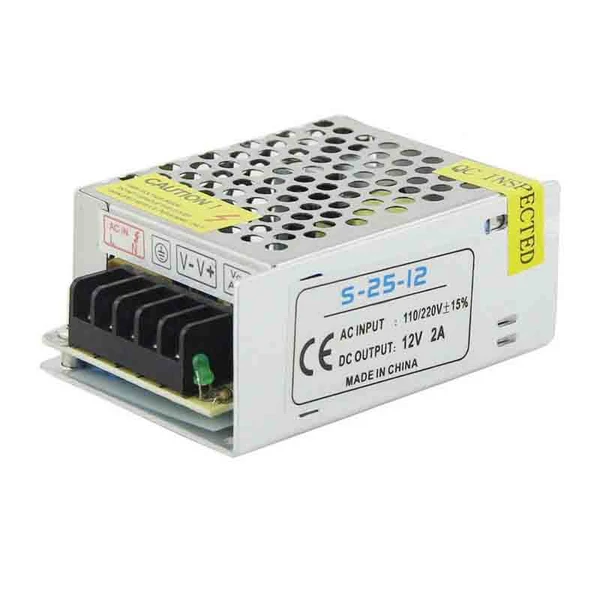
12V 24W 2A DC Regulated Switching Power Supply
£6.99 incl. VAT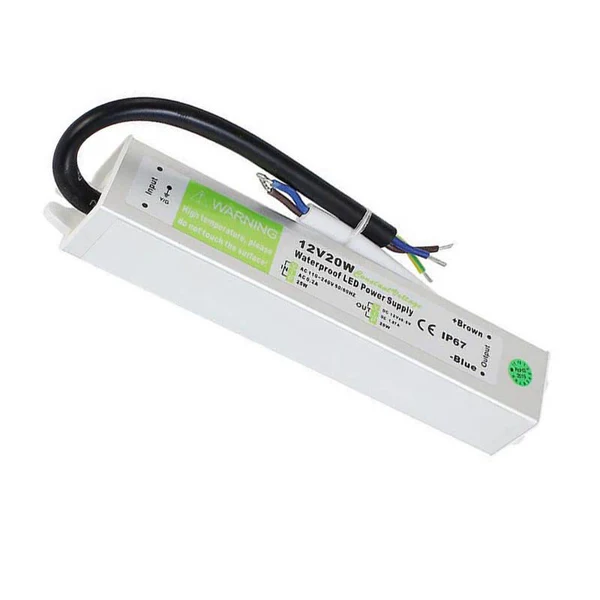
12 V 20 W IP67 Waterproof Slim LED Driver Transformer
£10.99 incl. VAT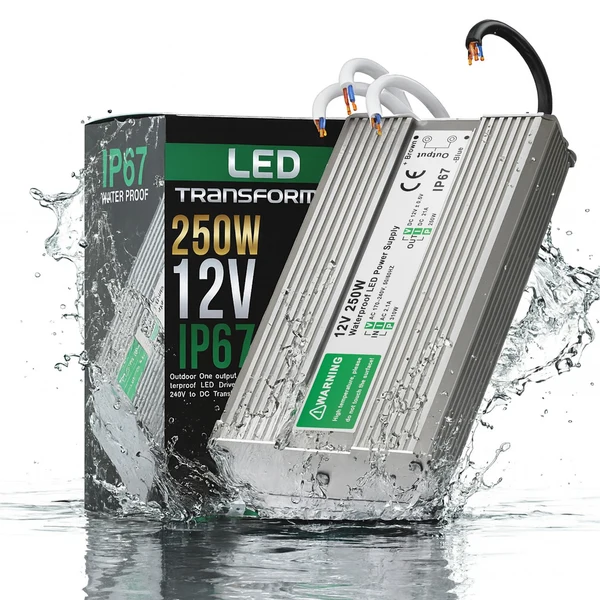
DC 12 V 250 W IP67 Waterproof LED Driver Power Supply
£58.99 incl. VAT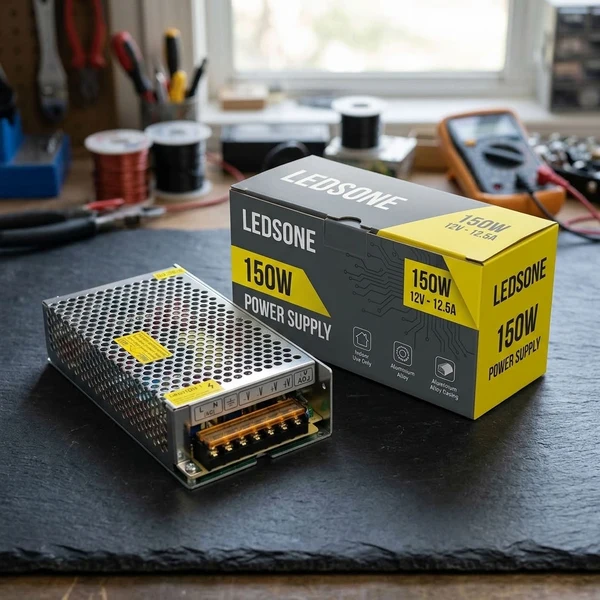
DC 12 V 150 W 12.5 A IP20 LED Driver Transformer
£28.99 incl. VAT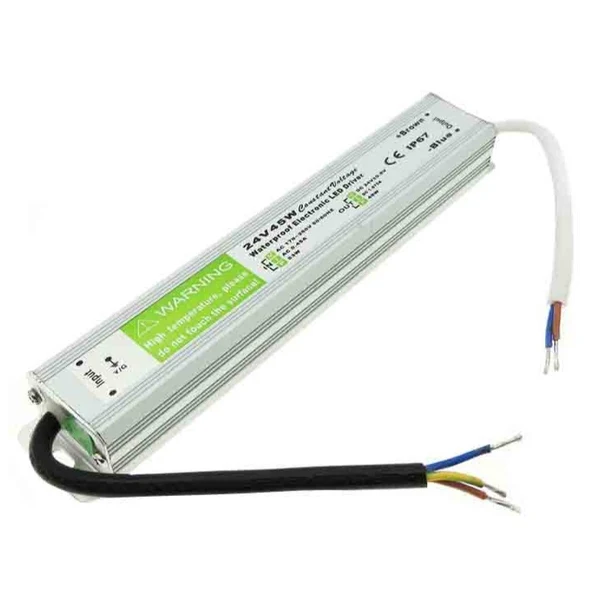
IP67 LED Driver Transformer 24 V 45 W
£28.99 incl. VAT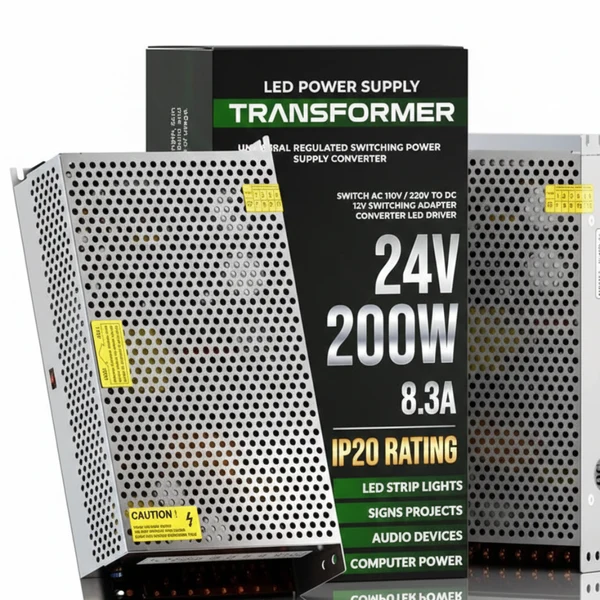
24 V 200 W 8.33 A AC-to-DC LED Driver ~3292
£34.99 incl. VAT
5V 200W 40A Regulated LED Transformer
£32.99 incl. VAT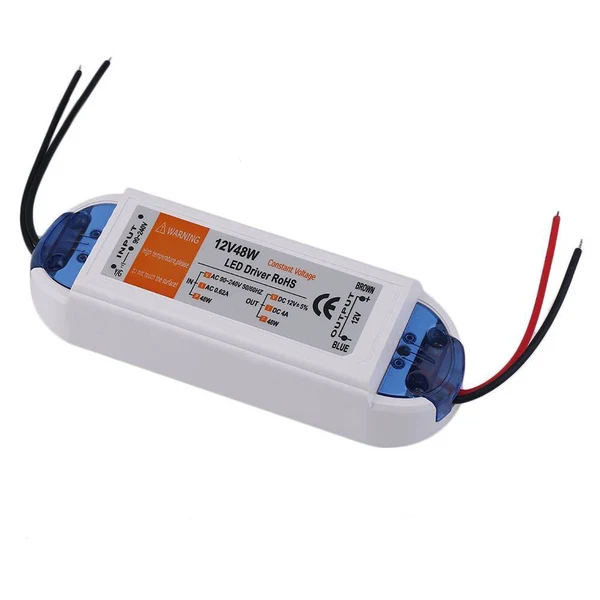
12 V 48 W 4 A LED Driver Transformer
£23.99 incl. VAT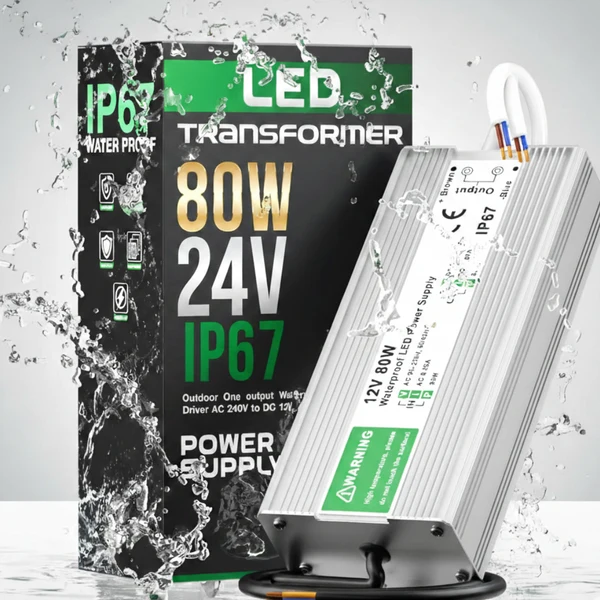
80W 24V IP67 Waterproof LED Driver
£33.99 incl. VAT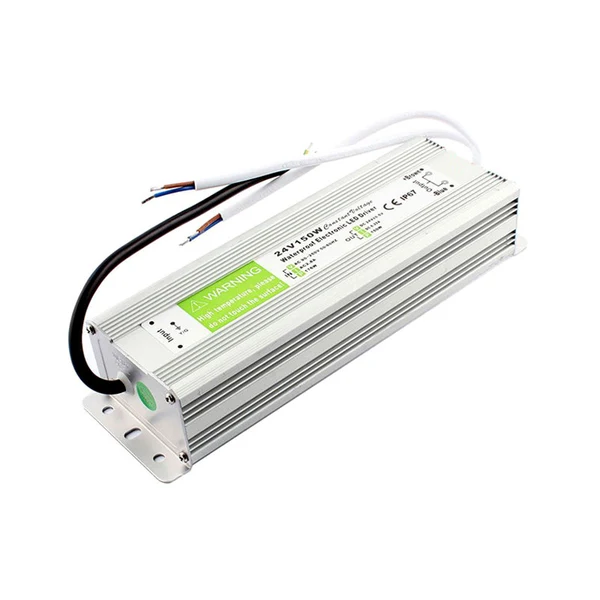
24 V 150 W LED Driver Transformer IP67
£56.99 incl. VAT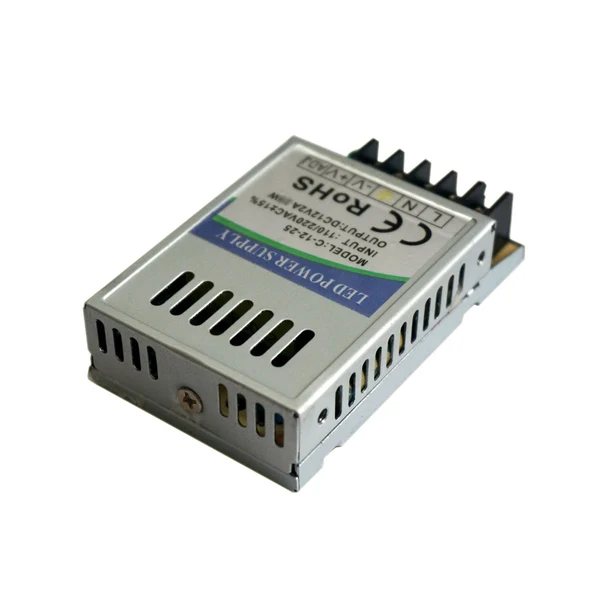
12 V DC Slimline Switching Power Supply LED Driver
From £8.99 incl. VATPick a brand
How to choose
- Service access and compliance: Fixed mains wiring and industrial enclosures should always be specified, installed and commissioned by a qualified UK electrician.
- Conductor cross-section and ampacity: Verify that DIN rail terminal blocks and lever connectors match both the wire gauge and circuit current rating.
- Bend radius and fill ratio: Size wire mesh trays, trunking raceways and CNC drag chains with spare internal clearance so cables move freely without kinking.
- Check measurements against your space or the person it is for, not the size name alone.
- Check how it is put together: clean joins and neat finishing are good signs of careful making.
Frequently asked questions
Who might choose regulated power drivers?
Anyone with a clear use in mind can choose regulated power drivers well; what matters is matching the type, size and material to that use rather than to a label.
Where do I start if I am new to regulated power drivers?
If you are new to regulated power drivers, start with a versatile, all-round type in a material that is easy to care for, then add more specialised types once you know what you use.
What should I look at first when choosing regulated power drivers?
When choosing regulated power drivers, start with the job in hand, then size, then material and finish; that order rules out the wrong types quickly.
What should I check when replacing regulated power drivers?
When replacing regulated power drivers, note what worked and what did not with what you had before, then use that as a checklist for size, material and finish.