
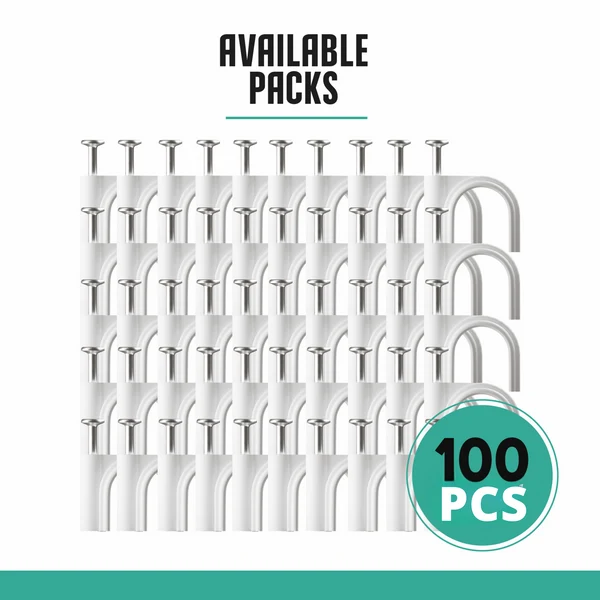
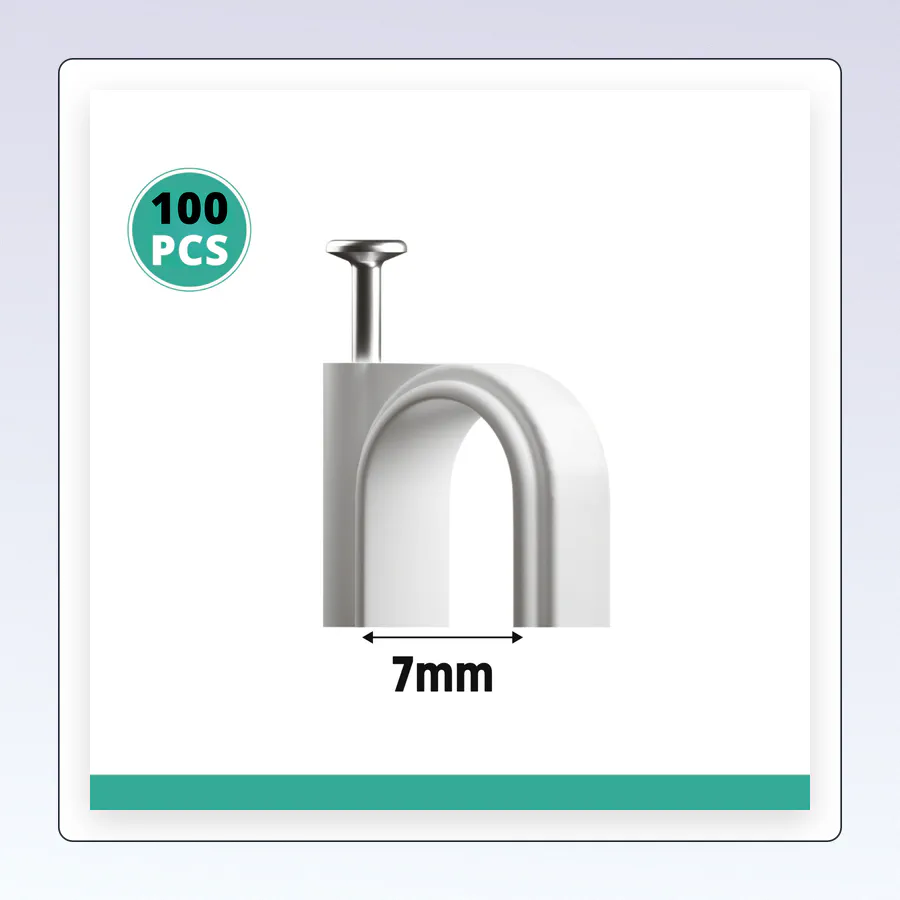
PE Wall Cable Clips with Steel Nails, Pack of 100
£13.99 incl. VAT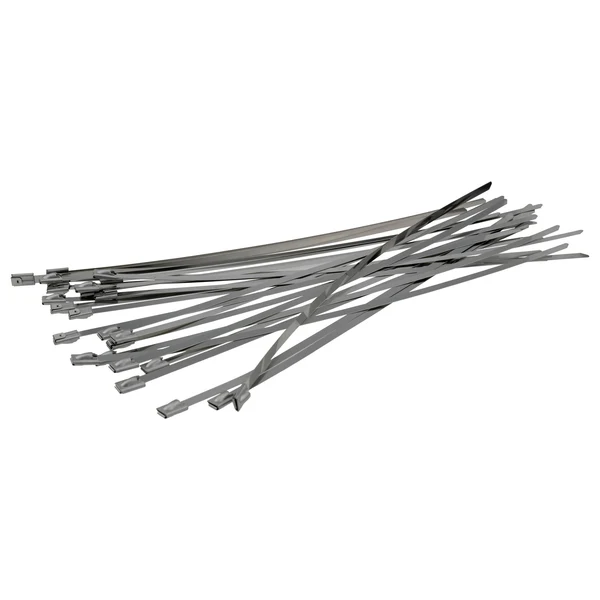
Stainless Steel Cable Ties, 4.6 mm x 125 mm
£14.99 incl. VAT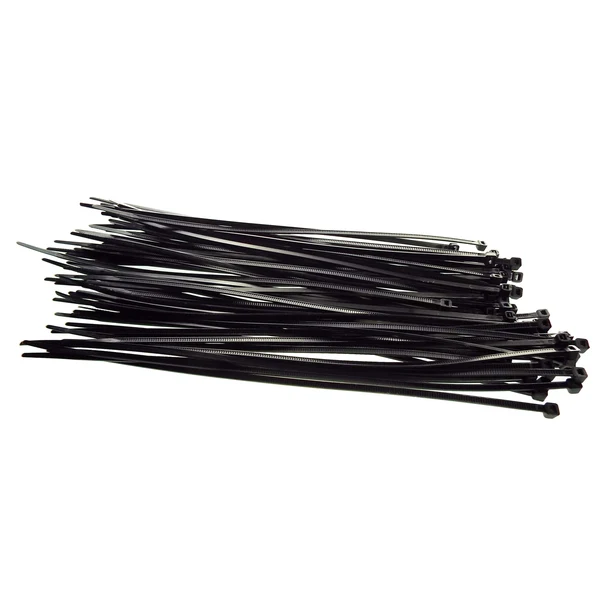
Black Cable Ties, 2.5 x 100 mm, Pack of 100
£2.99 incl. VAT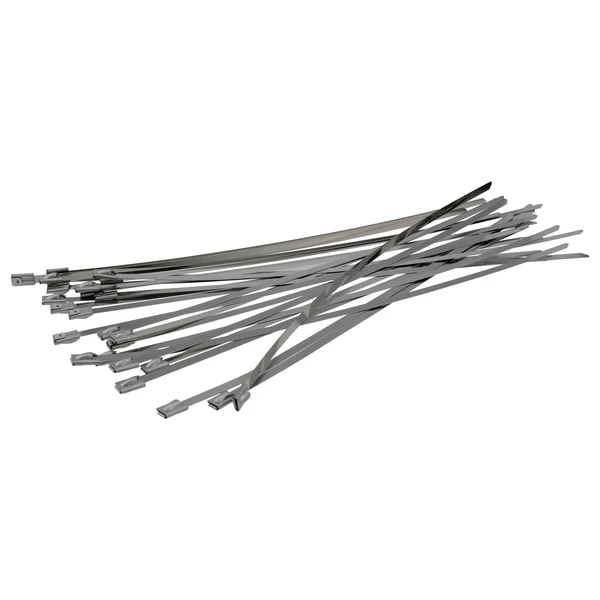
Stainless Steel Self-Locking Cable Ties, 4.6 mm x 150 mm
£14.99 incl. VAT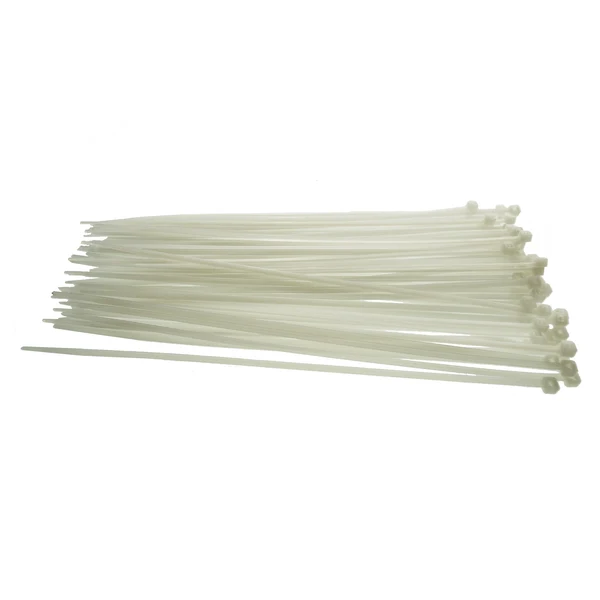
Neutral Cable Ties, 2.5 x 100 mm, Pack of 100
£2.99 incl. VAT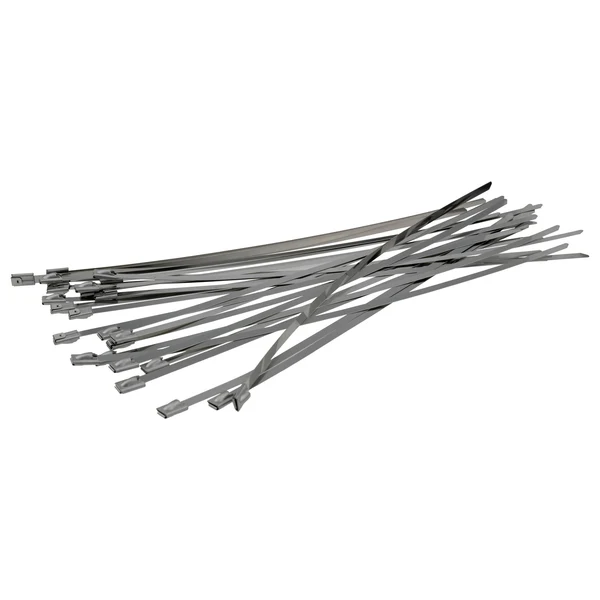
Stainless Steel Cable Ties 4.6 mm x 200 mm
£18.99 incl. VAT
100 Neutral Cable Ties, 2.5 mm x 150 mm
£3.99 incl. VAT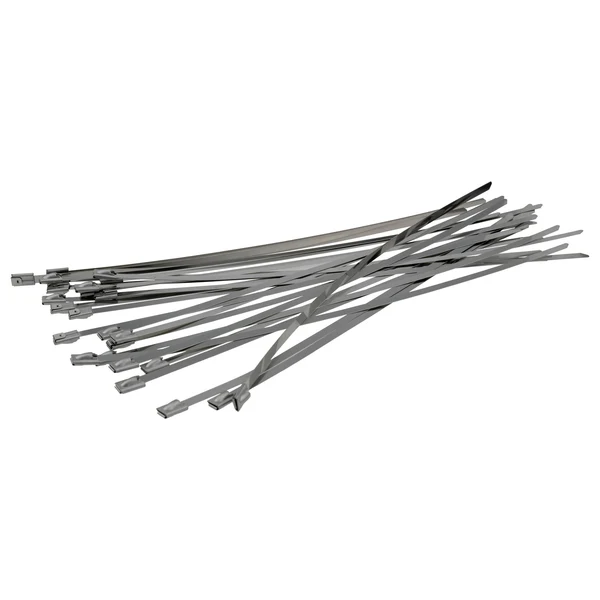
Stainless Steel Cable Ties, 4.6 x 260 mm
£19.99 incl. VAT
100 Black Cable Ties, 2.5 mm x 200 mm
£4.99 incl. VAT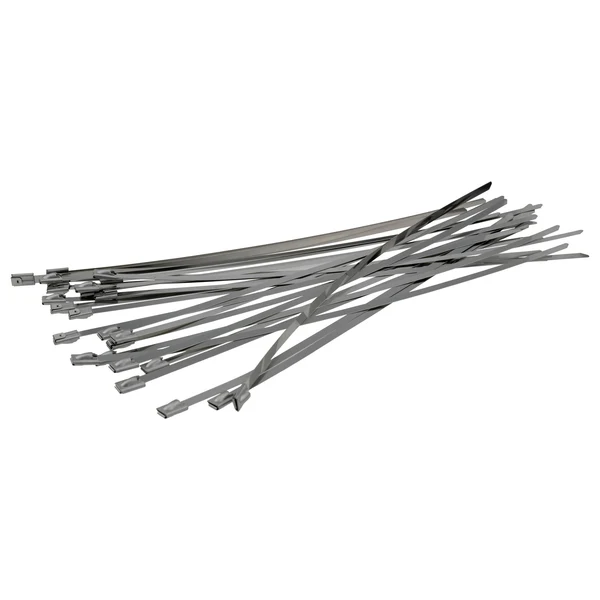
Stainless Steel Cable Ties, 4.6 x 290 mm
£20.99 incl. VAT
100 Neutral Cable Ties, 2.5 mm x 200 mm
£4.99 incl. VAT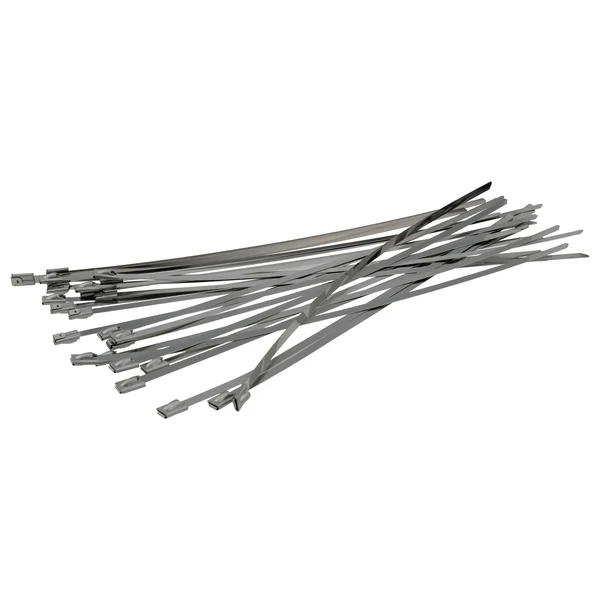
Stainless Steel Cable Ties, 4.6 x 360 mm
£20.99 incl. VAT
100 Black Cable Ties, 3.6 mm x 200 mm
£5.99 incl. VAT
100 Neutral Cable Ties, 3.6 mm x 200 mm
£5.99 incl. VAT
Stainless Steel Cable Ties, 4.6 x 680 mm
£33.99 incl. VAT
100 Black Cable Ties, 3.6 mm x 250 mm
£7.99 incl. VAT
Stainless Steel Cable Ties, 4.6 x 840 mm
£41.99 incl. VAT
100 Neutral Cable Ties, 3.6 mm x 250 mm
£7.99 incl. VAT
100 Neutral Cable Ties, 3.6 mm x 300 mm
£9.99 incl. VAT
100 Black Cable Ties, 3.6 mm x 370 mm
£10.99 incl. VAT
100 Neutral Cable Ties, 3.6 mm x 370 mm
£10.99 incl. VAT
100 Black Cable Ties, 4.8 mm x 250 mm
£10.99 incl. VAT
100 Neutral Cable Ties, 4.8 mm x 250 mm
£10.99 incl. VAT
100 Black Cable Ties, 4.8 mm x 300 mm
£11.99 incl. VATWhich type are you after?
Shop the edits
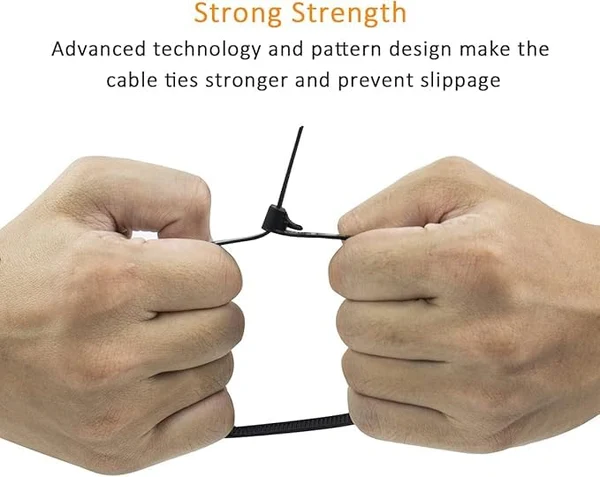
Reusable Nylon Cable Ties, 300 x 8 mm, Pack of 100
£5.99 incl. VAT
Stainless Steel Cable Ties 4.6 mm x 520 mm
£26.99 incl. VAT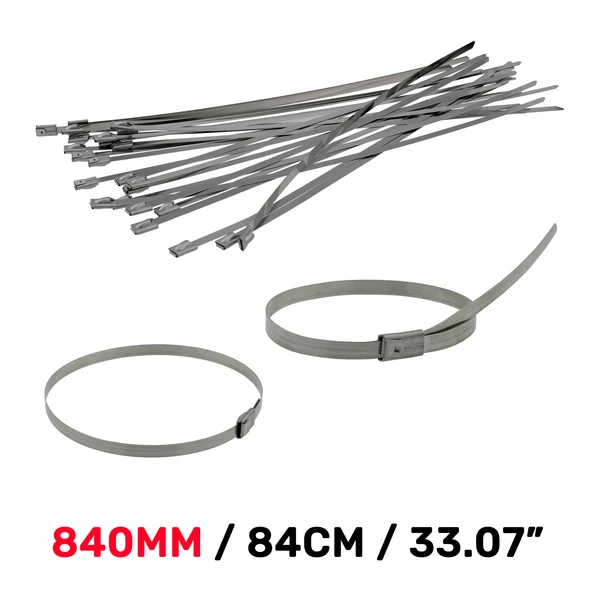
Stainless Steel Cable Ties, 4.6 mm x 840 mm
From £30.99 incl. VAT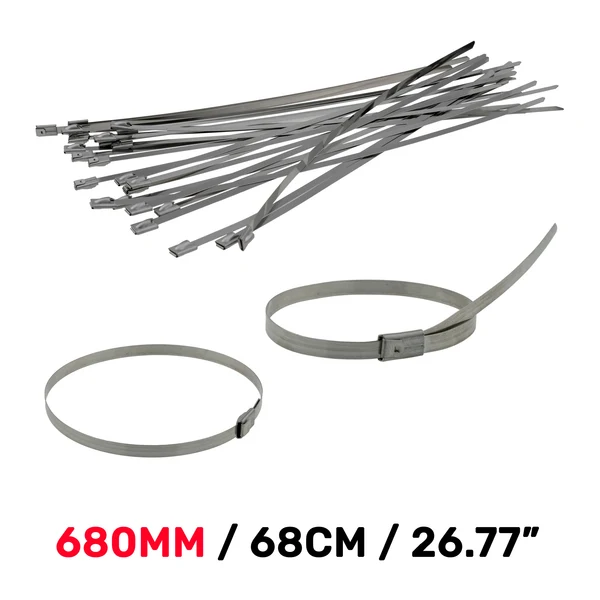
Stainless Steel Cable Ties, 4.6 mm x 680 mm
From £25.99 incl. VAT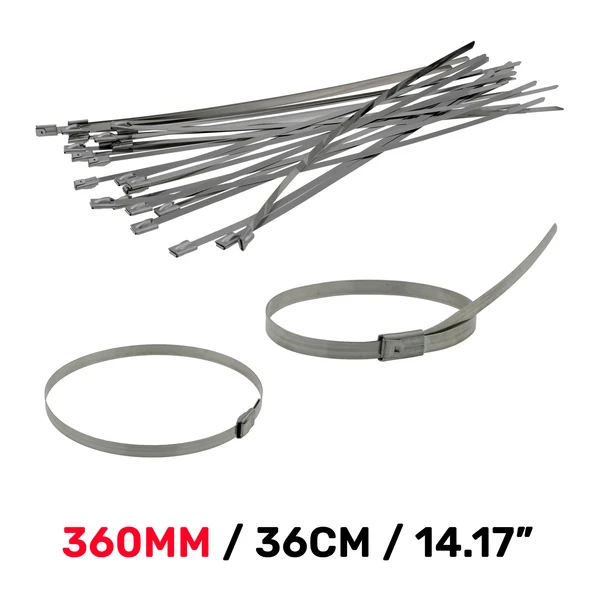
Stainless Steel Cable Ties 4.6 mm x 360 mm Set of 25
From £15.99 incl. VAT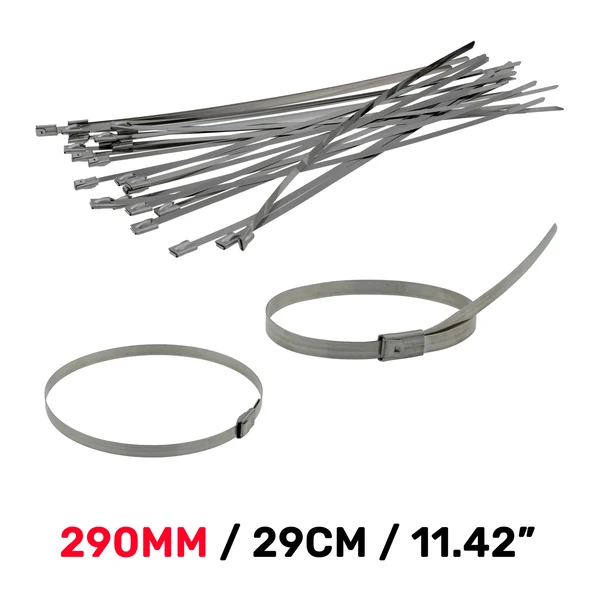
Stainless Steel Cable Ties, 4.6 mm x 290 mm
From £15.99 incl. VAT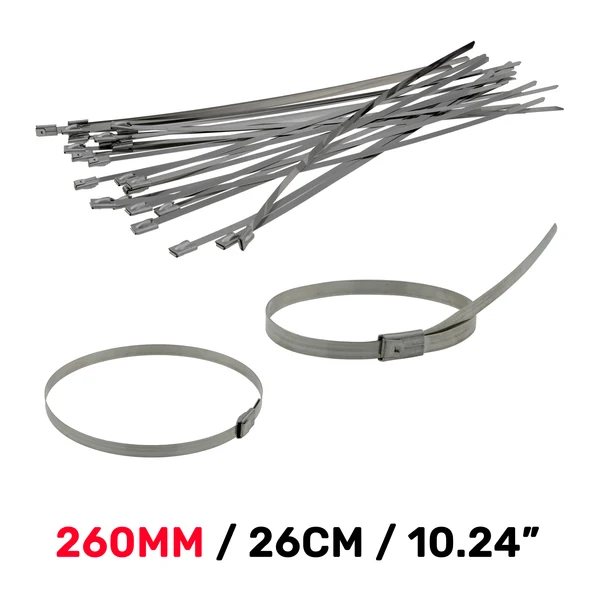
Stainless Steel Cable Ties, 4.6 mm x 260 mm
From £14.99 incl. VATPick a brand
How to choose
- Ingress protection rating: Compare enclosure IP ratings against moisture, dust and jet-wash exposure in plant rooms, gardens or coastal installations.
- Cable gland thread and clamping range: Match metric gland threads and rubber seal diameters tightly to the outer cable sheath so moisture cannot wick inside.
- Check measurements against your space or the person it is for, not the size name alone.
- Think about how often it will be used: daily use calls for sturdier construction than occasional use.
Frequently asked questions
How do I size a nylon drag chain for moving CNC or automation cables?
Measure the thickest cable or hose diameter, allow internal vertical clearance and match the chain bending radius to the manufacturer's minimum flex rating.
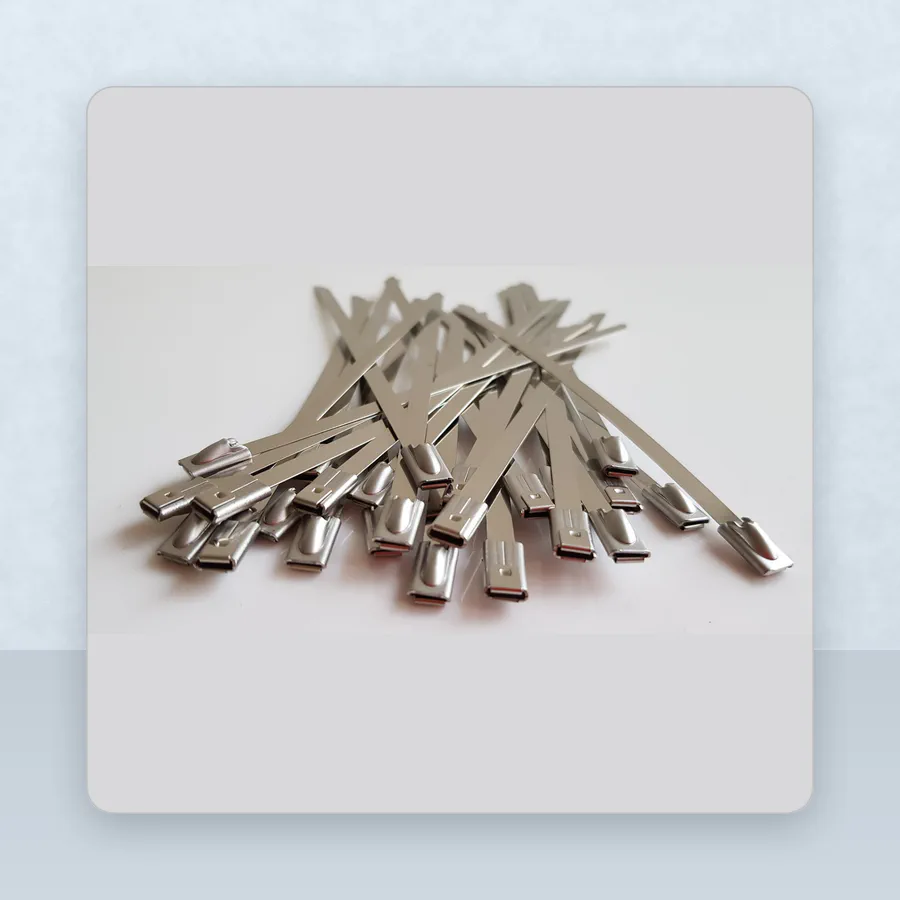
When are stainless steel cable ties better than nylon zip ties?
Stainless steel ties withstand high ambient heat, outdoor UV exposure and fire-rated support requirements where conventional nylon ties can become brittle.
How do I look after cable ties?
Care for cable ties depends on the material, so follow the care notes for each item; in general, regular light cleaning and dry storage keep things in good shape.
How do I match cable ties with what I already own?
To match cable ties with what you already own, keep one element constant, such as material, colour or finish, and let the others vary.
Who might choose cable ties?
Anyone with a clear use in mind can choose cable ties well; what matters is matching the type, size and material to that use rather than to a label.