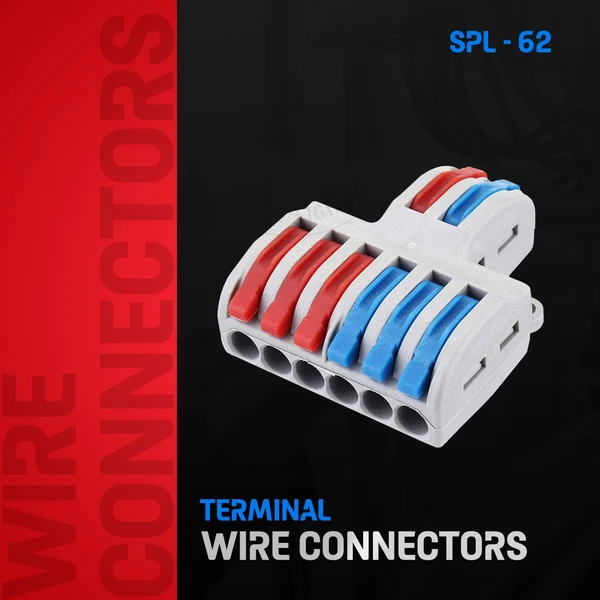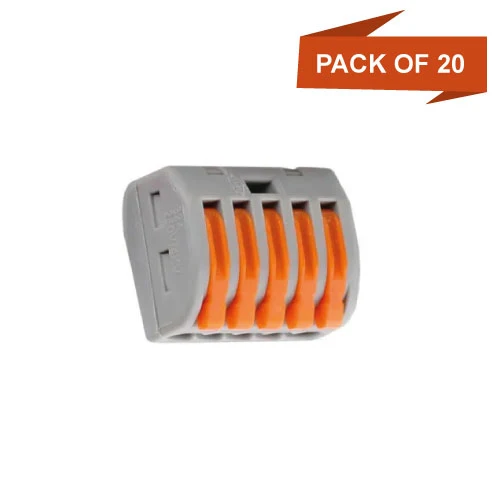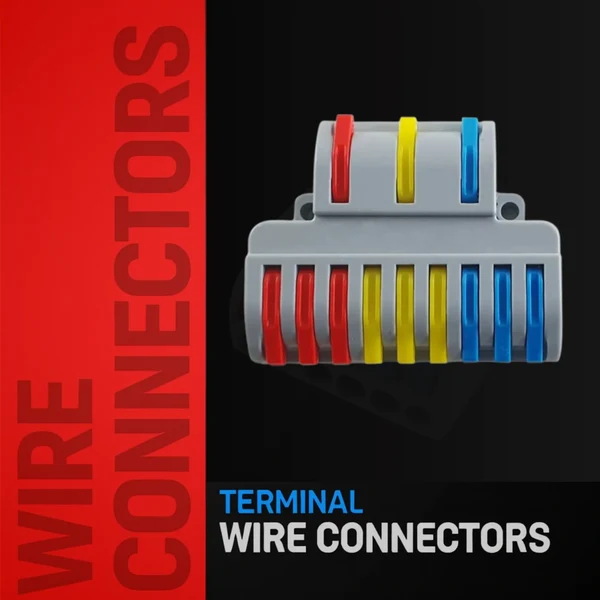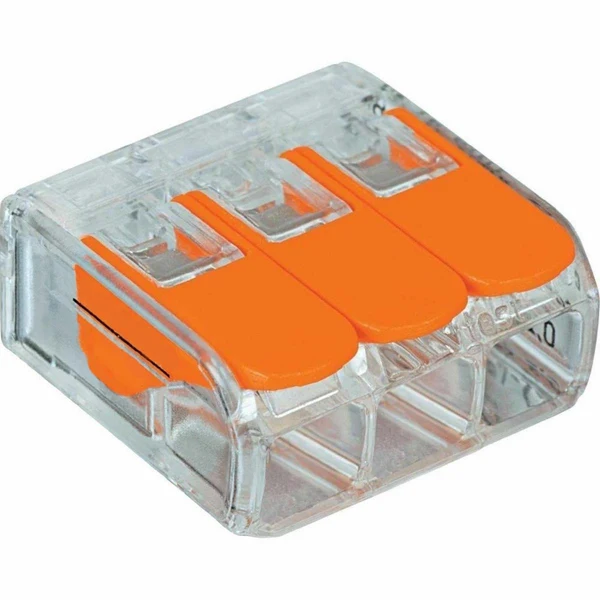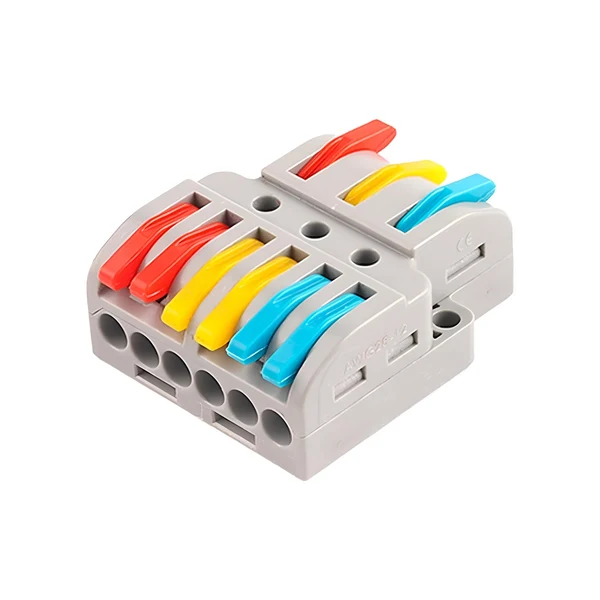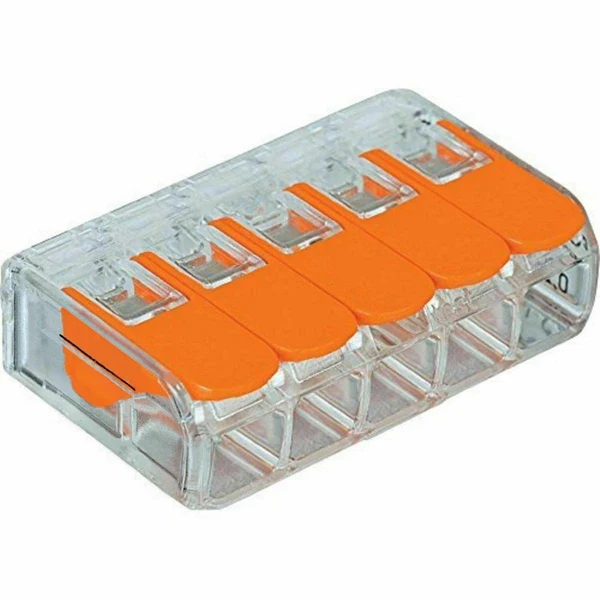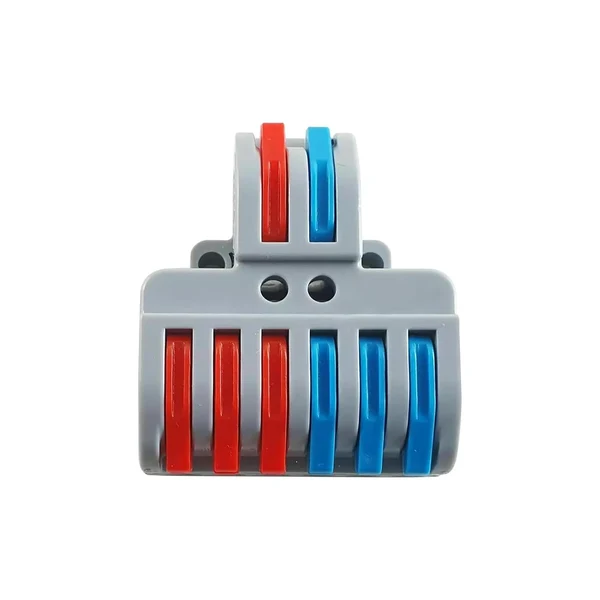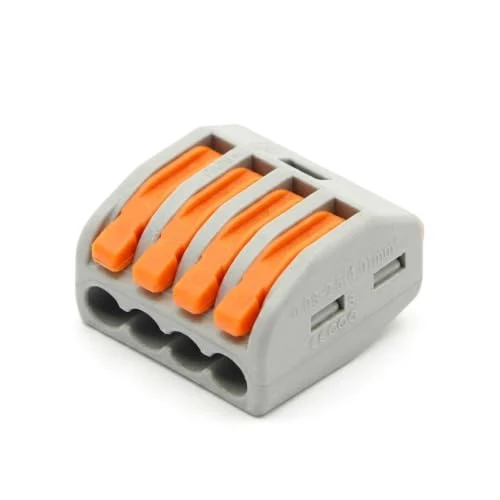
Screw Terminal Blocks

It is worth taking a moment over screw terminal blocks, because the right size and finish make all the difference in daily use. If it has to work with something you already own, check that the two will fit together.

How to choose

  • If this kind is not quite right, compare the alternatives: DIN Mounting Rails and Lever Nut Wire Connectors.
  • Read the full description: names differ between makers, measurements do not.
  • Look at the finish: some surfaces show marks or wear more readily than others.
  • If it must work with something you already own, check that the two fit together.
  • Check joins, seams, edges or fastenings for neat, even work.

Frequently asked questions

When should I use lever nut wire connectors instead of traditional screw terminal blocks?

Lever connectors speed up tool-free maintenance on solid or stranded conductors inside junction boxes, whereas DIN rail screw blocks organise multi-circuit control cabinets.

Can screw terminal blocks be used every day?

Whether screw terminal blocks can be used every day depends on material and construction; for daily use, choose simple, sturdy builds with finishes that are easy to care for.

Where can I compare screw terminal blocks with related kinds?

To compare screw terminal blocks with related kinds on size, material and use, step back to the wider family: DIN Rail Terminal Blocks.

How do I get the size of screw terminal blocks right?

Measure the space, the person or the item it needs to fit, then compare that with the stated dimensions of screw terminal blocks rather than the size name.

Should I buy one or a set of screw terminal blocks?

A matching set of screw terminal blocks keeps everything consistent, while single items let you mix and replace one at a time.